Why You Should Consider a New Roof in 2026
The roof over your head is more than just a cover for your home. It is a critical component of your property’s structure, safety, and overall value. As we move into 2026, advances in materials, energy efficiency, and design make it a perfect time to evaluate your roof’s condition and consider a replacement. Installing a new roof not only protects your home but can also enhance your curb appeal, improve energy efficiency, and reduce long-term maintenance costs.
A new roof is an investment in your property’s future. Beyond simple protection from the elements, a modern roof can lower energy bills, improve indoor comfort, and even reduce insurance premiums in some cases. Understanding when and why to invest in a new roof ensures that your home remains safe, efficient, and visually appealing. This guide will walk you through why a new roof may be necessary, the steps to take, and how to make the process smooth and effective.
Making a Decision
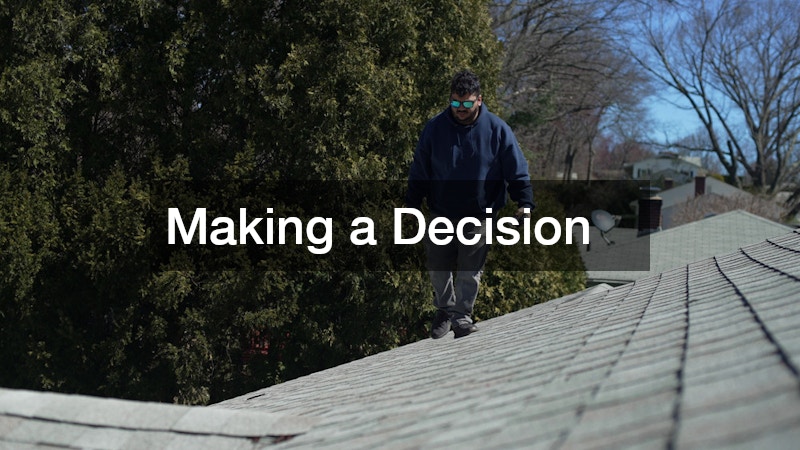
Deciding to invest in a new roof can feel overwhelming. Many homeowners hesitate, unsure whether repairs will suffice or if a full replacement is required. Consulting with a commercial roofing company can help you weigh your options. These professionals evaluate the age, condition, and materials of your current roof to recommend solutions tailored to your home’s needs.
The decision-making process should consider multiple factors. Roofs typically have a lifespan of 20 to 50 years depending on materials, maintenance, and climate conditions. For example, asphalt shingles may last 20 to 30 years, while metal or tile roofs often last much longer. If your roof is approaching the end of its expected lifespan or showing signs of consistent damage, replacement is usually the more cost-effective choice than ongoing repairs.
Additionally, a new roof can prevent more serious issues. Water damage, mold growth, and structural deterioration often start with minor roof problems that are ignored. By proactively replacing your roof, you safeguard your home’s structural integrity and avoid expensive emergency repairs.
Hiring a Company
Once you decide a new roof is necessary, selecting the right team is crucial. Quality installation relies on experienced professionals who understand both the technical and aesthetic aspects of roofing. Local roofers offer expertise specific to your area, including knowledge of climate challenges, building codes, and common roofing materials. For example, a roofer familiar with your region will know how to handle heavy snow loads, high winds, or extreme sun exposure, ensuring your roof can withstand local weather conditions.
Hiring the right company starts with thorough research. Ask friends, neighbors, or colleagues for recommendations and read online reviews to gauge customer satisfaction. It’s important to meet with multiple contractors, discuss your project, and compare estimates before making a decision. This not only helps you understand market pricing but also gives you insight into each company’s professionalism and communication style.
When hiring a roofing company, check credentials such as licenses, insurance, and references. A properly licensed contractor ensures that all work complies with local building codes, while adequate insurance protects you from liability in case of accidents or property damage during installation. Reputable companies will provide clear contracts outlining the scope of work, timeline, payment schedule, and warranties for materials and labor. A detailed contract protects both you and the contractor, ensuring accountability and reducing the likelihood of misunderstandings.
It’s also wise to ask potential roofers about their experience with different materials. Some companies specialize in asphalt shingles, which are versatile and cost-effective, while others excel in metal, slate, or tile roofing, each offering unique benefits. Metal roofing, for example, is durable, fire-resistant, and energy-efficient, while slate provides long-lasting elegance but requires specialized installation. Choosing a contractor who is familiar with your preferred material ensures a high-quality installation that maximizes your roof’s lifespan and performance.
Finally, consider long-term support. Some roofers offer post-installation inspections, maintenance plans, or emergency repair services. Partnering with a company that remains accessible after your roof is installed provides peace of mind, knowing that any issues can be addressed quickly and professionally. By choosing the right roofing company, you invest not just in a new roof, but in the safety, efficiency, and long-term value of your home.
Performing an Inspection
Before committing to a new roof, a thorough roof inspection is essential. Inspections reveal hidden damage such as leaks, rot, or structural weaknesses that could affect the installation process. Inspectors examine shingles, flashing, gutters, and underlying structures to determine the extent of wear and tear.
A professional inspection identifies areas that may need repair before replacement. For example, water damage in the attic or roof decking may require attention to prevent future leaks. Inspections also help homeowners understand their roof’s overall condition, the best materials to use, and potential cost considerations.
Some inspections include infrared scans to detect moisture under the surface, which can highlight issues invisible to the naked eye. This ensures that no hidden damage undermines the new roof’s longevity and performance. Ultimately, a detailed inspection report provides clarity, allowing you to make an informed decision about repairs or replacement.
Repairing or Replacing?
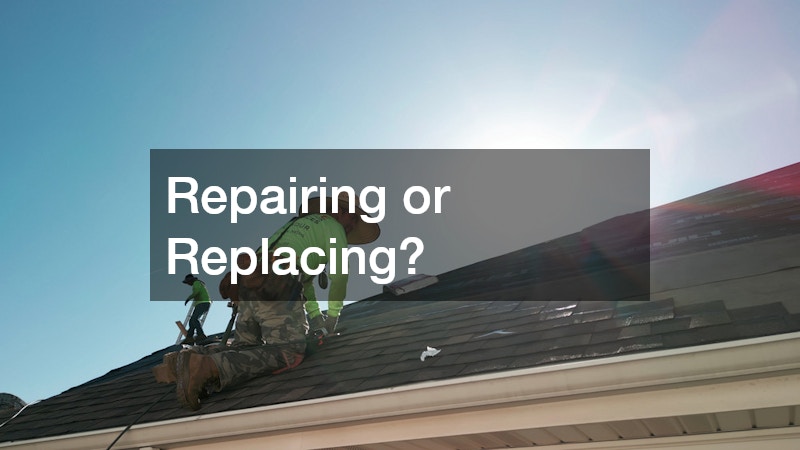
Not every roof requires a full replacement. In some cases, minor repairs can extend your roof’s lifespan. Evaluating whether to repair or replace involves comparing the costs, benefits, and potential longevity of your current materials. Roofing services offer both repair and replacement options, providing expert guidance to help you choose the most practical and economical solution.
For instance, if only a few shingles are damaged, a repair may suffice. However, if multiple areas show signs of wear or the roof is nearing the end of its expected life, replacement is usually more cost-effective. Consider long-term benefits over short-term savings when making this decision. A new roof may require a larger initial investment, but it often saves money on frequent repairs, energy costs, and insurance claims.
It is also important to factor in potential disruptions to your daily life. Extensive repairs may still cause temporary inconvenience, but a well-planned replacement often reduces repeated interruptions and guarantees peace of mind.
Installing New Materials?
If you plan on replacing the roof anyway, this is a great time to test out a different material option. The materials you choose impact not only your roof’s lifespan but also your home’s energy efficiency, appearance, and long-term maintenance costs. Modern roofing materials offer improved durability, energy efficiency, and aesthetic appeal, giving homeowners more options than ever before. Metal roofing services are increasingly popular due to their longevity, resistance to extreme weather, and energy efficiency.
Metal roofs are designed to last decades longer than traditional materials. They reflect sunlight, which helps reduce cooling costs in the summer, and their interlocking panels provide excellent protection against wind, rain, and snow. Many metal roofs are also fire-resistant, which can be a crucial factor in areas prone to wildfires. In addition, some metal roofing systems come with energy-efficient coatings that meet or exceed building energy codes, making them a practical choice for homeowners looking to lower utility bills.
Other materials offer unique advantages as well. Asphalt shingles remain a popular choice because they are affordable, versatile, and available in a wide variety of colors and textures. They are relatively easy to install, making them a cost-effective solution for many homeowners. While asphalt may not last as long as metal, high-quality shingles can still provide reliable protection for 20 to 30 years with proper maintenance.
For homeowners seeking premium options, tile and slate roofs deliver unmatched durability and elegance. Tile roofs, often made from clay or concrete, are resistant to fire, insects, and decay. They also provide excellent thermal insulation, helping maintain consistent indoor temperatures. Slate roofs are prized for their natural beauty and longevity, often lasting over a century when properly installed. Both materials require professional installation and more maintenance than asphalt or metal, but they offer a long-term investment that can significantly enhance your home’s aesthetic and resale value.
Choosing high-quality materials not only enhances the protection of your home but also increases its overall value and reduces the need for frequent repairs or replacements. A thoughtfully selected roof material ensures your home is both functional and visually appealing for decades. Investing time in understanding the benefits and drawbacks of each option allows you to make a choice that balances cost, durability, aesthetics, and energy efficiency, ensuring your new roof meets your needs well into the future.
Budgeting and Planning
Roof replacement is a significant investment, so proper budgeting and planning are essential. Costs vary based on materials, labor, and the complexity of the project. Consulting with roofing companies allows you to obtain accurate estimates and develop a financial plan that aligns with your budget.
Budgeting should also account for additional expenses such as permits, inspections, and potential repairs to underlying structures. Many homeowners benefit from setting aside a contingency fund for unexpected issues that may arise during installation. Planning also includes scheduling the project during favorable weather conditions to avoid delays.
Proper planning ensures that the replacement process runs smoothly, minimizes disruptions, and maximizes the lifespan of your new roof. It also gives homeowners the confidence to make decisions without financial stress or rushed choices.
Focusing on Aesthetics
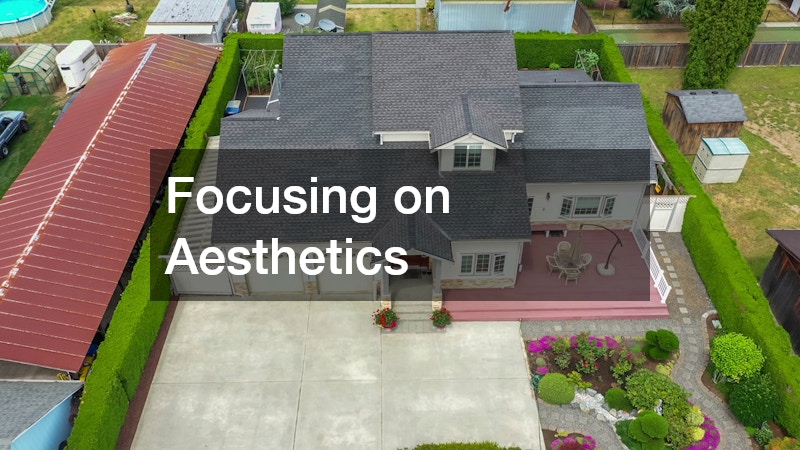
Your roof plays a key role in your home’s overall appearance. A well-chosen design can complement your architecture and increase curb appeal. Asphalt shingle roofing services provide a versatile and cost-effective option that comes in a wide range of colors and styles.
Consider how your roof color, texture, and style coordinate with other exterior elements like siding, windows, and landscaping. A visually appealing roof can dramatically enhance your home’s aesthetic and even boost its resale value. Homebuyers often notice the condition and appearance of a roof first, making it an important investment in long-term property value.
Additionally, some modern roofing materials offer options for energy-efficient coatings or solar-ready installations. These features combine aesthetics with functionality, helping you save on energy costs while improving the home’s overall look.
Making Necessary Adjustments
During a roof replacement, unforeseen issues may arise that require adjustments. These can include repairing underlying structures or addressing moisture problems. Crawlspace foundation repairs may be necessary to ensure the stability of your roof and home.
Adjustments during installation might involve reinforcing roof decking, fixing water damage in the attic, or replacing worn-out insulation. Addressing these issues as they arise prevents future problems and ensures the roof performs optimally. It is important to work with contractors who are flexible and experienced in handling such challenges without compromising the project timeline or quality.
Proactively managing adjustments improves the overall outcome and prevents the need for costly interventions in the future. Your roof becomes not just a barrier against weather but a fully optimized component of your home’s structure.
Setting a Goal
Every roofing project benefits from having a clear goal. Whether your primary objective is durability, energy efficiency, or improving property value, communicating your goals helps your contractors meet your expectations. Working with local roofing contractors ensures your objectives are realistic and achievable based on your home’s design and environmental conditions.
Defining goals early allows you to prioritize choices, such as material type, color, insulation, and ventilation. A goal-oriented approach also helps determine the timeline, budget, and long-term maintenance plan. When your roofing team understands your priorities, the project becomes more efficient, cost-effective, and aligned with your vision for your home.
Preparing for Anything
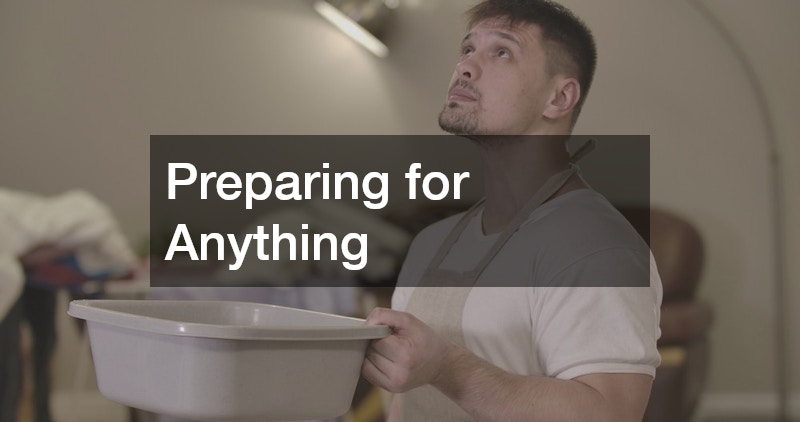
Weather and other external factors can affect roofing projects. Preparing for these possibilities ensures a smoother process. Waterproofing companies can assist in protecting your home during installation, preventing water damage, and ensuring that the roof performs effectively from day one.
Preparation may include tarping the roof during unexpected rain, sealing vulnerable areas, or coordinating with contractors for emergency repairs. Being proactive minimizes risk, reduces stress, and guarantees the longevity of your new roof. Homeowners who anticipate challenges often experience fewer delays, better results, and a more seamless replacement process.
Considering a new roof in 2026 is a smart decision for homeowners looking to improve safety, durability, and aesthetics. From making the initial decision to selecting materials, hiring professionals, and preparing for unforeseen challenges, each step contributes to a successful roofing project.
By investing in a high-quality roof, you protect your home, increase its value, and enjoy peace of mind knowing your family is safe and secure. Whether you choose repairs or a full replacement, taking action now ensures that your home remains protected for decades to come. A new roof is not just a practical investment—it is a long-term strategy to enhance your home’s comfort, efficiency, and overall appeal.