Creating a Safer Home: Key Maintenance Every Family Needs
A home is more than just a place to live—it is a sanctuary for your family, a space where children grow, memories are created, and everyday life unfolds. Ensuring that this sanctuary is safe and secure is essential for both the well-being of your loved ones and the longevity of your property. From hidden structural hazards to invisible health risks, every home has potential threats that can be mitigated with proactive maintenance.
This article provides a comprehensive guide to the key maintenance tasks every homeowner should prioritize to create a safer environment for their family. By understanding and implementing these measures, you can prevent accidents, reduce long-term costs, and protect the health and comfort of everyone under your roof.
Inspecting and Maintaining Your Roof
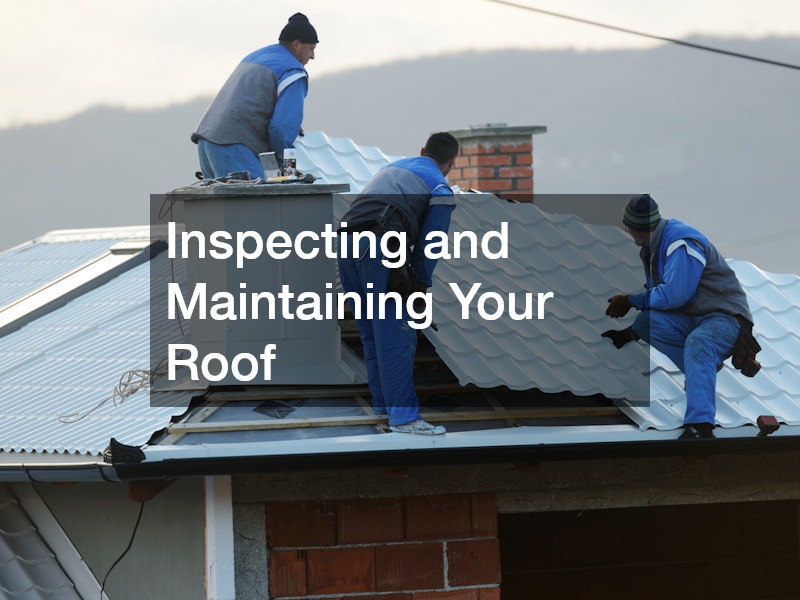
The roof is one of the most critical components of your home, acting as a shield against the elements while providing structural stability. A damaged or neglected roof can lead to severe consequences, including water leaks, structural weakening, and mold growth.
Regular inspections are essential to identify early signs of trouble, such as:
-
Missing or cracked shingles
-
Water stains on ceilings or walls
-
Sagging areas or unusual dips
-
Accumulation of debris in valleys or near gutters
While some minor issues can be addressed by homeowners, it’s crucial to know when to call professionals. Roof repair services can provide thorough assessments and make necessary repairs safely, ensuring your roof remains strong and your family stays protected. Professionals can spot hidden problems that may not be immediately visible, such as damaged underlayment or subtle leaks that could lead to costly water damage if ignored.
Additionally, routine maintenance can prevent expensive replacements. Cleaning debris, trimming overhanging branches, and ensuring proper ventilation all contribute to extending the lifespan of your roof. For families with children, a well-maintained roof is particularly important, as leaks and water damage can compromise the integrity of ceilings and potentially create unsafe conditions indoors.
Chimney and Vent Safety
Chimneys are often overlooked but play a vital role in home safety, especially in homes with fireplaces or heating systems that rely on venting. A neglected chimney can lead to fire hazards, carbon monoxide buildup, and smoke damage.
Regular cleaning and inspection are necessary to ensure that chimneys function safely. Professional chimney cleaners can remove creosote, debris, and blockages that might otherwise cause fires or ventilation problems. They can also identify structural issues, such as cracks in the masonry, that could compromise your home’s safety.
In addition to chimneys, vents, and flues should be checked to ensure proper airflow. Blocked or damaged vents can lead to harmful gases entering your living space, putting your family at risk. Homeowners should schedule inspections at least once a year, ideally before the heating season begins, to maintain both safety and efficiency.
Even if you rarely use your fireplace, an unchecked chimney can attract birds or pests, further emphasizing the importance of regular professional inspections. A safe chimney not only protects your family but also enhances the efficiency of your home’s heating system.
Controlling Pests and Wildlife
Pests and wildlife can pose serious threats to both health and property. Rodents, insects, and even birds can introduce diseases, damage insulation, and compromise structural elements of a home.
Common risks include:
-
Allergens from bird droppings or rodent waste
-
Damage to wiring or wood by termites or rodents
-
Infestations that spread quickly and are difficult to eradicate
For bird infestations, professional bird removal is often necessary. Birds nesting in attics, chimneys, or vents can carry diseases and create fire hazards, especially when droppings accumulate near electrical wiring.
In addition to birds, pests like ants, cockroaches, and rodents require proactive management. Hiring local pest control services ensures safe and effective elimination of these threats. Pest control professionals can assess vulnerabilities in your home, apply appropriate treatments, and recommend preventive measures to reduce the risk of future infestations.
Bed bugs, though less visible, pose significant health and comfort issues. A bed bug exterminator can detect, treat, and prevent infestations in bedrooms and living areas, safeguarding your family from bites, allergies, and sleep disruption. Homeowners should remain vigilant, inspecting mattresses, furniture, and luggage after travel, and addressing any signs of infestation immediately.
Preventive measures also play a key role in wildlife and pest management. Sealing gaps in walls, screens, and vents, keeping food stored securely, and maintaining clean yards all contribute to reducing unwanted guests. Combining professional help with proactive steps ensures a safer and more comfortable home environment.
Protecting Windows, Doors, and Interiors
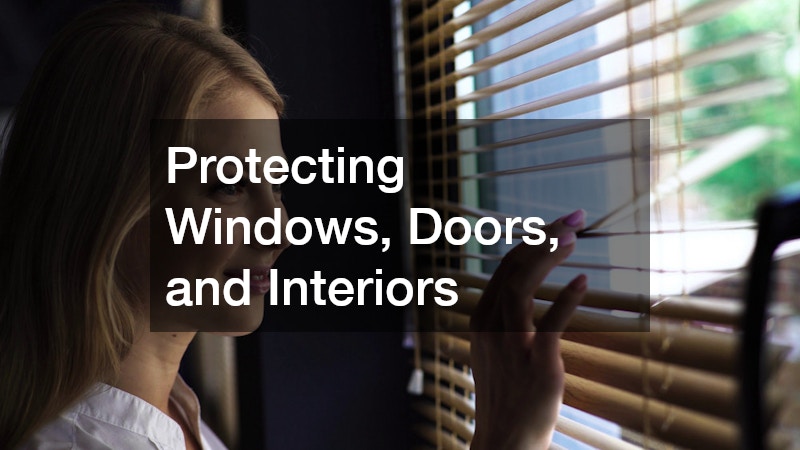
Windows and doors are essential for both security and comfort. Proper maintenance protects your family from intruders, harsh weather, and accidents.
Window treatments like plantation shutters are not only aesthetically pleasing but also functional. They provide privacy, block harmful UV rays, and prevent children or pets from accidentally falling through open windows. Shutters can also act as a barrier against debris during storms, adding another layer of protection to your home.
Garage doors, while often overlooked, are a common source of household accidents. Regular garage door services ensure that doors operate smoothly, safely, and securely. Malfunctioning garage doors can cause injuries, trap pets, or allow unauthorized access to your home. Routine inspections of tracks, springs, and openers, combined with professional maintenance, reduce these risks and keep your family safe.
Inside the home, consider safety upgrades like childproof locks, secure furniture, and slip-resistant flooring. Protecting interior spaces from accidents and hazards complements your exterior maintenance efforts, creating a holistic approach to family safety.
Gutter and Drainage Maintenance
Proper gutter and drainage systems are critical to preventing water damage and structural issues. Clogged gutters can lead to water pooling near the foundation, roof leaks, and even mold growth.
A professional gutter cleaning company can clear leaves, debris, and blockages, ensuring that water flows correctly away from the home. Regular maintenance prevents ice dams in colder climates and reduces the risk of water seeping into basements or crawl spaces.
Homeowners can also take preventive steps between professional cleanings, such as:
-
Checking for visible debris after storms
-
Ensuring downspouts direct water away from the foundation
-
Inspecting for signs of rust, cracks, or sagging
Effective gutter maintenance not only protects the structure of your home but also safeguards your family’s health by reducing moisture-related hazards.
Tree and Yard Safety
Trees enhance the beauty of a property, but overgrown or damaged trees can pose serious safety risks. Falling branches, weakened trunks, or diseased trees can damage homes, vehicles, or even injure family members.
Hiring professionals for local tree removal is often necessary for trees that pose immediate risks. Experts can safely remove dangerous trees, trim branches, and advise on proper yard management to reduce hazards.
Preventive yard care includes:
-
Regular inspection of trees for disease or instability
-
Removing dead branches before they become a threat
-
Maintaining a clear perimeter around the house to reduce fire risk and pest entry
A well-maintained yard not only protects your family from accidents but also supports a healthier home environment. For example, open spaces allow for better airflow and reduce places where pests can hide, complementing your broader pest control strategies.
Mold Prevention and Remediation
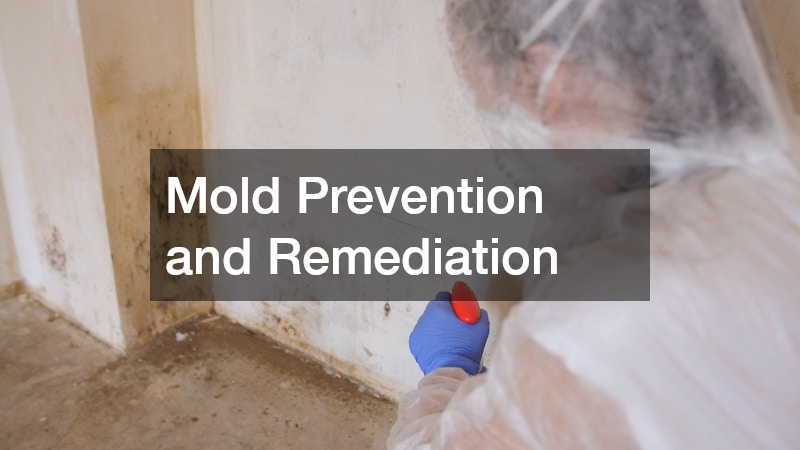
Mold is a serious health concern, particularly black mold, which can cause respiratory issues, allergic reactions, and other health complications. Moisture is the primary culprit, often resulting from leaks, poor ventilation, or flooding.
Preventing mold growth requires attention to both structural integrity and household habits:
-
Fix roof leaks and plumbing issues promptly
-
Ensure proper ventilation in bathrooms, kitchens, and basements
-
Use dehumidifiers in damp areas
If mold is detected, professional black mold remediation is essential. Experts can safely remove contaminated materials, clean affected areas, and treat surfaces to prevent regrowth. DIY removal is not recommended for severe infestations, as improper handling can release spores into the air, exacerbating health risks.
A proactive approach to mold management safeguards both the home and the health of its occupants. Families, especially children, elderly members, or those with respiratory conditions, are particularly vulnerable, making regular inspections and timely remediation crucial.
Creating a Maintenance Routine
Maintaining a safe home is an ongoing process, not a one-time task. Establishing a routine ensures that potential hazards are addressed before they become serious problems.
Key tips for an effective maintenance routine include:
-
Seasonal Checks – Inspect the roof, gutters, and vents at least twice a year.
-
Annual Professional Inspections – Schedule experts for chimneys, roofing, pest control, and tree removal.
-
Monthly Quick Inspections – Walk through the home to check for leaks, pests, or unusual conditions.
-
Preventive Upgrades – Install shutters, secure garage doors, and maintain ventilation systems.
-
Document Maintenance – Keep records of inspections, repairs, and treatments for accountability and future reference.
By combining regular homeowner vigilance with professional expertise, families can minimize risks and maintain a safe, comfortable living environment. A structured routine also helps manage budgets, as timely repairs are generally more affordable than emergency fixes or extensive damage control.
Electrical Safety and Appliance Maintenance
Electrical hazards are one of the most common causes of home accidents. Faulty wiring, outdated circuits, and overloaded outlets can all pose fire risks or cause injuries. Ensuring that your home’s electrical system is safe involves regular inspections and maintenance.
-
Check for frayed or exposed wires and repair immediately.
-
Avoid overloading outlets with multiple devices or high-power appliances.
-
Schedule professional inspections for older homes to evaluate wiring, breakers, and grounding systems.
Additionally, appliances should be maintained and used according to the manufacturer’s instructions. Unplugging unused devices, cleaning vents on dryers and HVAC systems, and checking cords regularly can prevent hazards. Regular attention to electrical safety not only protects your family but also prolongs the life of your home’s appliances and reduces the risk of costly repairs.
Fire Safety and Emergency Preparedness
A safe home is also a prepared home. Fires can happen unexpectedly, so it’s essential to have both preventive measures and emergency plans in place.
Key steps include:
-
Installing smoke detectors on every floor and testing them monthly.
-
Maintaining fire extinguishers in key areas like the kitchen and garage.
-
Planning escape routes and practicing fire drills with your family.
-
Keeping flammable materials away from heat sources.
A fire-safe home includes regular checks on chimneys, heating systems, and appliances to reduce fire risks. By combining prevention and preparedness, families can respond effectively to emergencies and minimize the potential for injury or property damage.
Water Safety and Plumbing Maintenance
Water leaks and plumbing issues can silently damage your home while posing health risks to your family. Leaks may go unnoticed for weeks or months, leading to water damage, mold growth, and structural weakening.
Homeowners should:
-
Inspect faucets, pipes, and toilets regularly for drips or corrosion.
-
Ensure sump pumps are functioning properly in basements prone to flooding.
-
Schedule professional plumbing inspections annually to detect hidden issues.
Proper plumbing maintenance also supports clean water for your family. Contaminated water from leaks or stagnant systems can lead to illnesses, so timely repairs are crucial. Combining vigilance with professional support ensures both home safety and family health.
Outdoor Lighting and Home Security Measures
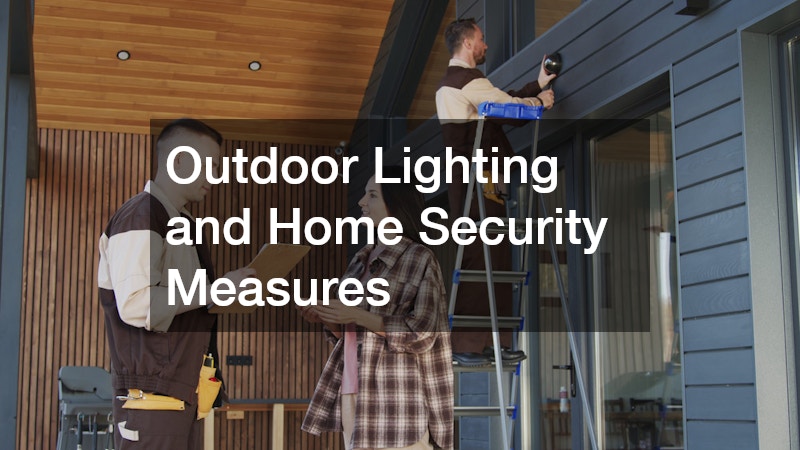
A well-lit exterior is not just for aesthetics—it is a critical safety feature for families. Proper outdoor lighting helps prevent accidents and discourages intruders from approaching your home unnoticed.
-
Install motion-sensor lights around entrances, garages, and pathways.
-
Ensure walkways are illuminated to prevent trips and falls.
-
Use timers or smart lighting to create the appearance of occupancy when away.
Additional security measures, such as reinforced doors, secure locks, and monitored alarm systems, work alongside lighting to create a safer environment. Families benefit from a home that is both visible and secure, reducing risks while enhancing peace of mind.
Conclusion
Creating a safer home requires a holistic approach that addresses both structural and environmental risks. From inspecting the roof to maintaining gutters, controlling pests, and ensuring proper mold remediation, each task contributes to the overall safety and well-being of your family.
Professional assistance plays a key role in handling specialized or potentially dangerous tasks, such as roof repair, bird removal, chimney cleaning, garage door services, bed bug extermination, local tree removal, local pest control, gutter cleaning, and black mold remediation. Meanwhile, homeowners can support these efforts through routine checks, preventive upgrades like plantation shutters, and ongoing vigilance.
By following these key maintenance practices, you not only protect your home from damage but also create a healthy, secure environment where your family can thrive. The peace of mind that comes from knowing your home is safe is invaluable, making proactive maintenance an essential part of responsible homeownership. Start today, and turn your home into the safe, comfortable sanctuary your family deserves.