How to Lock a Door to Prevent Break-Ins and Protect Your Home
- Strong locks are your first line of defense – Deadbolts, mortise locks, and keyless entry options significantly reduce the risk of break-ins compared to standard spring latch locks.
- Reinforce doors and frames – Even the best lock can fail if the door or frame is weak; use reinforced strike plates, door jamb kits, and door armor.
- Door type matters – Solid wood and metal doors offer far better protection than hollow-core doors; consider replacing weak exterior doors.
- Secondary entrances need attention – Garage, basement, sliding, and patio doors should be secured with locks, rods, pins, or multi-point locking systems.
- Combine locks with smart devices – Door alarms, cameras, sensors, and smart locks add layers of protection and alert you to potential threats.
- Practice consistent security habits – Always lock doors, avoid hiding keys, check locks nightly, and limit access to trusted individuals.
- Educate your household and maintain locks – Teach family members about door safety, and regularly maintain or upgrade locks to ensure ongoing effectiveness.
Keeping your home safe starts at the door. While many homeowners invest in alarm systems, cameras, or neighborhood watch programs, the most immediate way to protect your home is often overlooked: properly locking your doors. A well-secured door is your first line of defense against break-ins and can significantly improve your overall safety. In this guide, we’ll explore practical strategies, tips, and expert advice on locking doors effectively.
Why Proper Door Locking Matters
You might think that locking your door is simple, but not all locks are created equal. Burglars often look for easy access points, and a weak lock or improperly secured door can make your home a target. Here’s why locking doors properly matters:
- First Line of Defense: Doors with strong locks can deter opportunistic intruders.
- Peace of Mind: Knowing your doors are secure reduces stress and increases confidence in your home’s safety.
- Protects Valuables: Even minor improvements in locking mechanisms can safeguard expensive items and personal belongings.
- Insurance Benefits: Some insurance policies offer lower premiums if your home has high-quality locks installed.
What Types of Door Locks Are Most Effective?
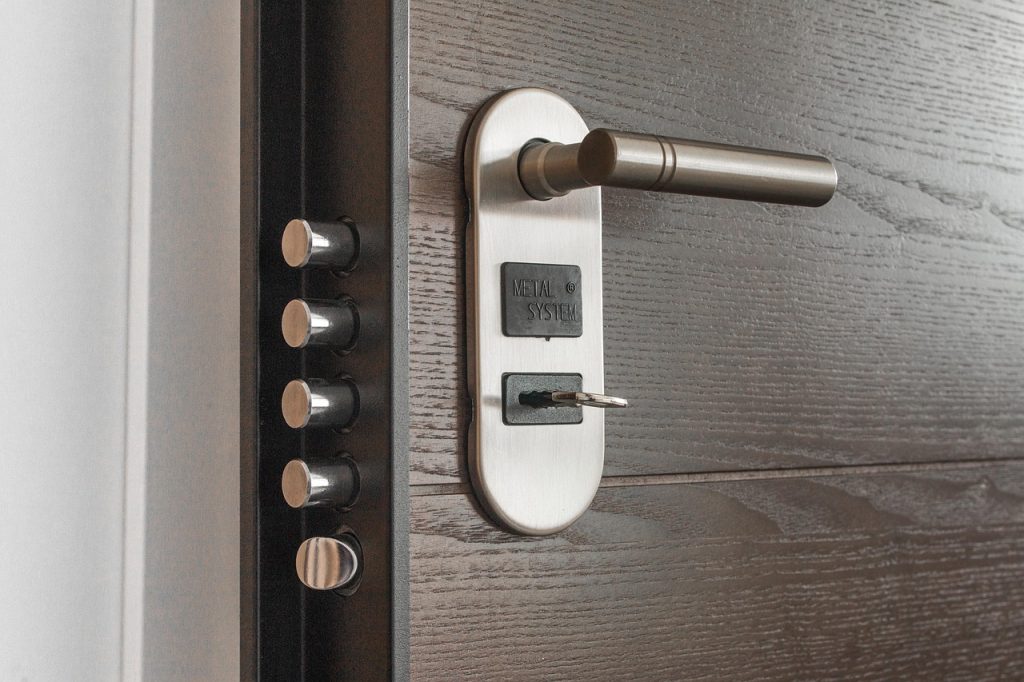
Not all locks are created equal. Choosing the right lock can make a huge difference in protecting your home. Here’s a deeper look at the most effective options:
Deadbolt Locks
Deadbolts are among the most reliable locks for residential doors. There are two main types:
- Single-Cylinder Deadbolts: These are locked from the inside with a thumb turn and require a key to open from the outside. They’re simple to use and effective, especially for standard home entrances.
- Double-Cylinder Deadbolts: Require a key on both sides of the door. These provide extra security, particularly if your door has glass panels that a burglar could break to reach the thumb turn. However, double-cylinder deadbolts need caution—they can slow your exit in emergencies, so always have keys accessible.
- Tips for Deadbolts: Use at least a one-inch bolt for better resistance. Combine with reinforced strike plates for maximum effectiveness.
Mortise Locks
Mortise locks are built into the door itself rather than mounted on the surface, making them extremely durable. While common in commercial properties, they are an excellent upgrade for homes:
- Strength: The lock mechanism sits inside a metal or wooden pocket in the door, making it harder to tamper with.
- Security Features: Often include deadbolt-style locking and latch combinations, giving dual protection.
- Installation Consideration: Professional installation is recommended because mortise locks require precise cutting into the door.
Keyless Entry Locks
Keyless entry locks are increasingly popular for homeowners who want convenience without sacrificing security. These include:
- Electronic Keypads: Enter a numeric code instead of using a key. Codes can be changed regularly to maintain security.
- Biometric Locks: Fingerprint recognition prevents unauthorized access and eliminates lost keys.
- Smartphone-Operated Locks: Allow remote control and notifications if someone enters or attempts entry.
- Drawback: They rely on batteries, so regular maintenance and backup options are crucial.
Chain Locks and Latches
These are secondary security options rather than primary locks:
- Functionality: Allow you to partially open a door to see visitors without giving full access.
- Limitations: Easy to force open with enough effort, so they’re best used in combination with stronger locks.
How Do You Lock a Door Properly?
Locking a door goes beyond turning a key. A properly secured door requires careful attention to details:
- Always Engage Deadbolts: Standard spring latch locks are easy to force open. A deadbolt adds much-needed resistance to physical force and prying.
- Check Strike Plates: The strike plate—the metal plate where the bolt enters the door frame—needs long screws (3 inches or longer) that anchor into wall studs, not just the frame. Reinforcing the strike plate strengthens the weakest point of your door.
- Close Doors Fully: Even a locked door is vulnerable if it isn’t fully closed. Make it a habit to check doors are completely shut before locking.
- Use Multiple Locks: Combine a deadbolt with a secondary lock such as a chain lock or a smart lock. The more barriers, the harder it is for an intruder to succeed.
Are All Doors Equal in Security?
The strength of a lock matters, but the type of door is equally important. Some doors resist forced entry better than others:
- Solid Wood Doors: Extremely durable, able to withstand kicking or prying, and ideal for main entrances.
- Metal Doors: Often stronger than wood, offering excellent security for exterior doors. Steel doors can be reinforced and are resistant to warping or splitting.
- Hollow-Core Doors: Lightweight and common in interior spaces. Not recommended for exterior entrances as they can be easily broken into with a kick or prying tool.
Tip: If your exterior doors are hollow or weak, replacing them with solid wood or metal doors is one of the most effective security upgrades you can make.
How to Reinforce Your Door Frame
Even the strongest lock won’t help if the door frame can be forced open. Reinforcing your frame is a critical step in improving door security:
- Install a Reinforced Strike Plate: Replace standard strike plates with heavy-duty ones and secure them with long screws that anchor into the wall studs.
- Add a Door Jamb Reinforcement Kit: These kits include steel plates to strengthen the area around the lock and hinges, preventing the frame from splitting under pressure.
- Use Door Armor: Full-frame metal reinforcements wrap around the door, making it much harder for intruders to pry or kick it open.
Can You Secure Sliding Doors and Patio Doors?
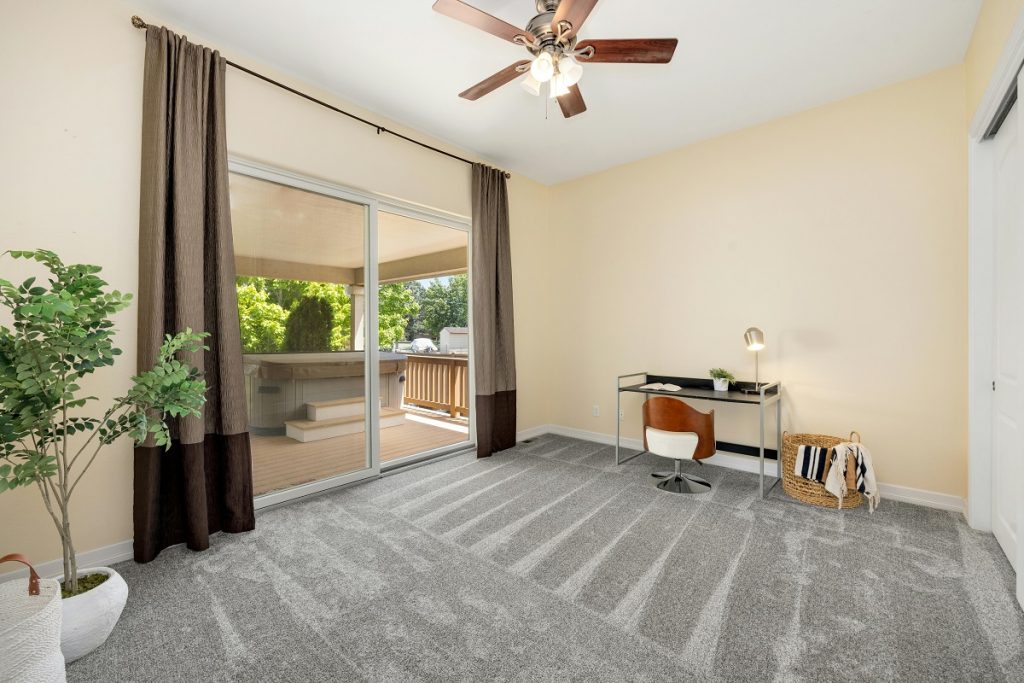
Sliding doors are often an overlooked entry point but can be made much more secure:
- Use a Security Bar or Rod: Place a metal or wooden rod in the track to prevent the door from sliding open. This is a simple but effective solution.
- Install a Pin Lock: Insert a metal pin into the door frame to prevent lifting the door off its track—a common burglary method.
- Upgrade the Lock: Standard sliding door locks are weak. Consider multi-point locks or keyed locks that secure the door at multiple points.
What About Garage and Basement Doors?
Secondary entrances like garages and basements are often targeted by burglars. Don’t neglect them:
- Garage Doors: For side or pedestrian doors, install a manual deadbolt. For automatic doors, secure remotes and consider a smart lock or keypad entry. Reinforce weak areas like panels or locks that can be easily forced.
- Basement Doors: These are often less visible but equally vulnerable. Use solid materials, reinforce frames, and install deadbolts. Always lock both from the inside and outside.
How to Lock Doors Without a Key
Sometimes you may want to lock doors without relying on traditional keys:
- Keyless Deadbolts: Enter a numeric code instead of a key. Convenient for families or rental properties.
- Smart Locks: Operate via smartphone, code, or fingerprint. Some even log entry times, providing additional security.
- Portable Door Locks: Ideal for travel or temporary setups. These locks attach quickly and provide instant added security.
These options combine convenience with strong protection, especially for households with multiple people needing access.
Can Extra Devices Improve Security?
Adding extra devices can make your locks more effective:
- Door Viewers (Peepholes): See visitors before opening the door. Wide-angle lenses provide a better view.
- Security Chains: Allow partial door opening without full access.
- Door Alarms: Alert you if someone attempts to open the door without permission.
- Smart Sensors: Integrate locks with cameras and notifications to monitor entry points remotely.
How Can You Prevent Lock Picking and Bumping?
Burglars use techniques like picking or lock bumping to gain access. Protect your home with these measures:
- Install Pick-Resistant Locks: Look for locks certified as bump-resistant or pick-resistant.
- Use High-Security Deadbolts: Brands like Medeco and Mul-T-Lock are designed to resist forced entry and tampering.
- Regular Maintenance: Lubricate locks with graphite or silicone spray to prevent sticking, rust, or difficulty turning.
Are Windows and Doors Equally Important?
While doors are a major focus, windows can be just as vulnerable:
- Install Window Locks: Ground-floor windows are especially important.
- Apply Security Film: Makes glass shatter-resistant.
- Add Sensors: Window sensors trigger alarms if opened unexpectedly.
Remember, a strong door is only part of a complete home security system.
How Often Should You Upgrade Your Locks?
Locks degrade over time and technology improves, so consider upgrades:
- After Moving Into a New Home: Change all locks immediately to avoid unknown keys in circulation.
- After a Break-In or Attempted Break-In: Upgrade all locks to prevent repeat attacks.
- When Locks Are Worn or Damaged: Old locks can fail under force.
- When Technology Improves: Smart locks provide convenience and added security, making them worth considering.
What Simple Habits Improve Door Security?
Even strong locks won’t protect you if habits are lax. Adopt these routines:
- Always Lock Doors: Even when home during the day.
- Check Before Bed: Make it a nightly routine to ensure all entry points are locked.
- Avoid Hiding Keys Outside: Common hiding spots like mats or flowerpots are easy to find.
- Share Access Wisely: Limit keys to trusted people only.
Can Landscaping Help Prevent Break-Ins?
Your yard can influence home security more than you think:
- Trim Shrubs and Trees Near Doors: Eliminates hiding spots for intruders.
- Install Motion-Sensor Lights: Sudden light deters potential burglars.
- Use Gravel Paths: Makes footsteps noisy and alerts you to movement.
How to Teach Your Family About Door Safety
Home security is a team effort. Everyone should know how to:
- Lock doors correctly.
- Avoid opening doors to strangers.
- Use extra security devices like chains or smart locks.
- Report any suspicious activity immediately.
Are Professional Installations Worth It?
While many homeowners can install locks themselves, professional installation can ensure:
- Proper alignment and secure anchoring of deadbolts.
- Correct installation of smart lock systems.
- Reinforced doors and frames for maximum resistance
Professional help may be worth the investment for long-term safety.
How to Combine Locks With Other Security Measures
Locks are crucial, but pairing them with other strategies maximizes protection:
- Security Cameras: Monitor all entrances.
- Alarm Systems: Provide alerts if a break-in is attempted.
- Smart Home Integration: Sync locks, lights, and cameras for remote monitoring.
- Neighborhood Watch Programs: Community vigilance complements personal security measures.
Final Tips for Locking Doors and Improving Safety
- Use Quality Materials: Cheap locks are easy to break; invest in high-quality hardware.
- Consider Multi-Point Locking Systems: Locks at multiple points on a door increase resistance.
- Test Your Security Regularly: Check locks, frames, and alarms periodically.
- Stay Informed: Keep up with new lock technologies and security trends.
In Closing
Locking your doors is the most straightforward step toward securing your home. By combining strong locks, reinforced doors, smart devices, and good habits, you can significantly reduce the risk of break-ins and enjoy greater peace of mind. Remember, home safety isn’t just about preventing intrusions—it’s about protecting your family, your belongings, and your sense of security.