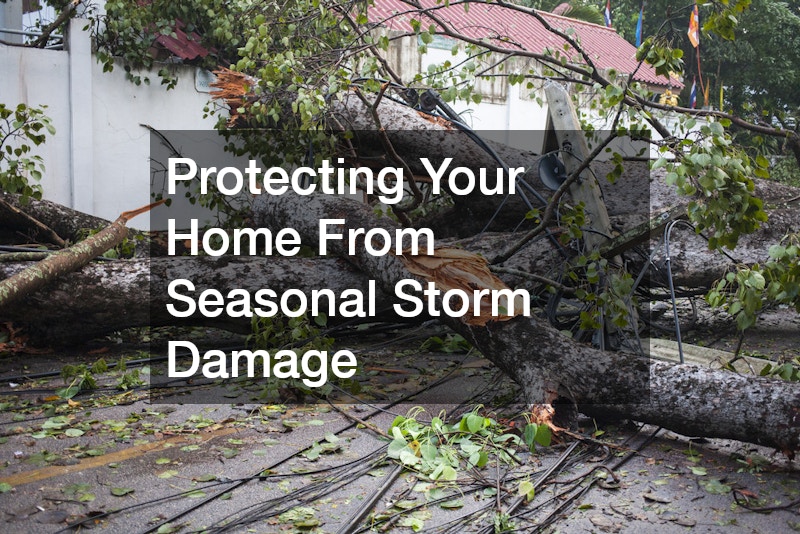
Protecting Your Home From Seasonal Storm Damage
Seasonal storms can take a serious toll on your home, often causing damage that isn’t immediately visible but can worsen over time. From heavy rain and hail to strong winds and snow, each season brings its own risks. The key to protecting your home isn’t just reacting after damage occurs—it’s preparing ahead of time and maintaining your property consistently.
This guide walks you through practical, actionable strategies to safeguard your home before, during, and after storms. By understanding where your home is most vulnerable and taking the right preventative steps, you can minimize costly repairs and keep your property in excellent condition year-round.
Identify Your Home’s Most Vulnerable Exterior Areas
Every home has weak points that are more susceptible to storm damage, and these areas often go unnoticed until a major issue occurs. High winds, heavy rain, and flying debris tend to target the same structural components repeatedly. By identifying these vulnerabilities early, you can take preventative measures that significantly reduce the risk of long-term damage.
The roof is typically the first line of defense, and even minor wear can quickly escalate into major problems during a storm. Investing in durable roofing solutions can help prevent leaks, shingle loss, and structural damage. Another commonly overlooked vulnerability is sliding glass doors, which are especially prone to wind pressure and debris impact due to their size and exposure.
What to inspect around your home:
- Loose or missing shingles
- Cracked or aging sealants around doors
- Warped door frames or gaps
- Signs of water intrusion near entry points
Actionable tips:
- Reinforce door tracks and locks to improve stability
- Install storm shutters or protective film on glass surfaces
- Trim nearby trees to reduce the risk of flying debris
- Seal any visible gaps to prevent water penetration
Taking time to evaluate these vulnerable areas ensures your home is better prepared for incoming storms. A simple inspection today can prevent costly repairs and stress later.
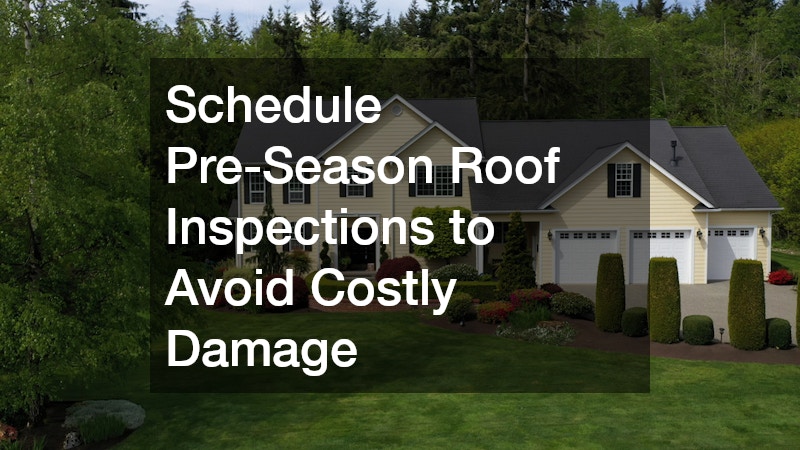
Schedule Pre-Season Roof Inspections to Avoid Costly Damage
One of the most effective ways to protect your home is by scheduling a professional roof inspection before storm season begins. Many roofing issues start small and remain hidden until severe weather exposes them. Addressing these problems early can save you from extensive and expensive repairs later.
A professional inspection provides a clear understanding of your roof’s current condition and highlights areas that need attention. Gathering multiple roofing estimates allows you to compare costs, scope, and timelines while ensuring transparency. Working with experienced residential roofing contractors ensures that your inspection is thorough and reliable.
What a thorough inspection should include:
- Evaluation of shingles, flashing, and vents
- Checking for moisture or mold in attic spaces
- Structural integrity assessment
- Drainage and gutter system review
How to choose the right professionals:
- Look for licensed and insured residential roofing contractors
- Ask for detailed written reports
- Compare at least two to three estimates
- Check reviews and past project experience
Questions to ask before hiring:
- What repairs are urgent vs. optional?
- How long will the work take?
- Are warranties included?
Regular inspections give you peace of mind and help you stay ahead of potential storm damage. Being proactive with inspections is one of the smartest investments a homeowner can make.
Strengthen Your Roof Against Wind, Rain, and Debris
Your roof must endure a wide range of weather conditions, from intense sun exposure to heavy storms. Without proper reinforcement, even a well-built roof can become vulnerable over time. Strengthening your roof ensures it remains durable and capable of protecting your home during extreme weather.
Working with a trusted roofing company allows you to implement proven strategies that improve your roof’s resilience. Professionals, including storm damage roofers, can identify weak points and reinforce them before they become serious issues. Their expertise is especially valuable in areas prone to severe weather events.
Key reinforcement strategies:
- Secure loose shingles and replace damaged ones
- Install high-quality underlayment for added protection
- Reinforce flashing around chimneys and vents
- Ensure proper attic ventilation to prevent moisture buildup
Simple homeowner maintenance tips:
- Inspect your roof visually after heavy winds
- Keep gutters clear to avoid water pooling
- Remove debris like branches and leaves
When to call professionals:
- After visible damage from a storm
- If you notice leaks or water stains
- When shingles are curling or missing
Taking these steps helps your roof remain strong and reliable during severe weather conditions. A well-maintained roof is one of the best defenses your home can have.

Protect Flat and Rubber Roof Systems From Water Damage
Flat and rubber roofing systems require a different approach to maintenance compared to traditional sloped roofs. Because water doesn’t run off as easily, these surfaces are more prone to pooling and long-term moisture exposure. Without proper care, small issues can quickly develop into major structural problems.
EPDM roof restoration is a practical option for extending the lifespan of rubber roofing systems. Instead of a full replacement, restoration focuses on repairing damage and improving waterproofing. Modern roofing solutions for flat roofs are designed to enhance durability while minimizing maintenance needs.
Common issues with flat roofs:
- Ponding water after rainfall
- Cracks or punctures in the membrane material
- Weak seams or edges
- UV damage over time
Maintenance tips for flat roofs:
- Inspect regularly for pooling water
- Clear debris that can block drainage
- Apply protective coatings to improve durability
- Schedule periodic professional evaluations
Staying proactive with maintenance helps prevent costly damage and extends the life of your roofing system. Proper care ensures your flat roof remains effective even during heavy storms.
Inspect and Repair Chimneys Before Storm Season Hits
Chimneys are often overlooked during routine home maintenance, yet they are highly vulnerable to storm-related damage. Exposure to rain, wind, and temperature changes can weaken the structure over time. Addressing chimney issues early helps prevent water intrusion and structural deterioration.
Routine chimney inspections allow homeowners to catch problems such as cracks, loose bricks, and damaged flashing. When necessary, professional chimney repairs can restore the integrity of the structure and prevent further damage. Ignoring these issues can lead to more expensive repairs down the line.
Signs your chimney needs attention:
- Crumbling mortar or visible cracks
- Water stains near the fireplace
- Leaning or instability
- Missing or damaged chimney caps
Preventative maintenance steps:
- Seal cracks to prevent water entry
- Install a chimney cap to block debris and rain
- Repair flashing around the base
Keeping your chimney in good condition ensures it can withstand harsh weather conditions. Regular maintenance protects both your home’s structure and your safety.
Upgrade Windows and Doors to Withstand Severe Weather
Windows and doors play a critical role in protecting your home from the elements. When these features are outdated or damaged, they can allow wind, rain, and debris to enter your home. Upgrading them improves both safety and energy efficiency.
Modern sliding glass doors are designed with stronger materials and better sealing capabilities. Investing in a professional window replacement service can also provide enhanced durability and insulation. These upgrades are especially important in regions that experience frequent storms.
Benefits of modern upgrades:
- Impact-resistant glass reduces breakage risk
- Improved seals prevent drafts and leaks
- Stronger frames enhance structural integrity
Warning signs it’s time to upgrade:
- Difficulty opening or closing windows and doors
- Condensation between glass panes
- Drafts or noticeable temperature changes
Actionable tips:
- Choose materials suited to your local climate
- Consider double- or triple-pane glass for added strength
- Install weather stripping to improve insulation
Upgrading these features not only protects your home but also adds long-term value. Strong, well-sealed windows and doors are essential for storm preparedness.
Clean and Maintain Gutters to Prevent Water Overflow
Gutters are a crucial part of your home’s drainage system, directing water away from the roof and foundation. When they become clogged, water can overflow and cause significant damage. Regular maintenance ensures they function properly during heavy rainfall.
Neglecting gutter maintenance can lead to a range of problems, including roof leaks, foundation issues, and mold growth. Keeping gutters clean and in good condition is a simple yet effective way to protect your home.
Problems caused by clogged gutters:
- Roof leaks and water damage
- Foundation cracks
- Mold and mildew growth
- Landscape erosion
Step-by-step gutter maintenance:
- Remove leaves and debris regularly
- Flush gutters with water to ensure proper flow
- Check for sagging or misalignment
- Repair or replace damaged sections
Additional improvements:
- Install gutter guards to reduce debris buildup
- Extend downspouts to direct water away from the foundation
Seasonal changes can quickly impact how well your gutters perform, especially during fall when leaves accumulate or in spring when heavy rains are more frequent. It’s important to inspect your gutters at least twice a year, and more often if you have trees near your home. Pay close attention to joints and seams, as these are common areas where leaks can develop over time.
Consistent gutter maintenance helps prevent water-related damage and keeps your home protected. Small efforts here can make a big difference during storm season, helping you avoid costly repairs and maintain the overall integrity of your property.
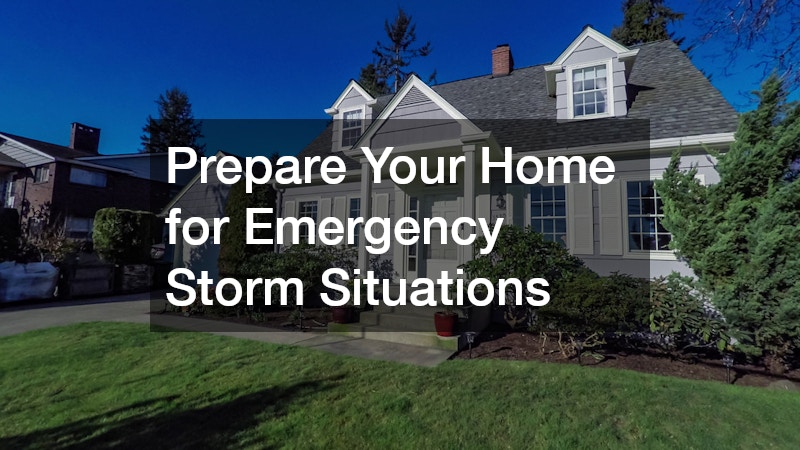
Prepare Your Home for Emergency Storm Situations
Being prepared for severe weather can make a significant difference in how well your home withstands a storm. Advance planning allows you to act quickly and minimize potential damage. Having a clear strategy in place reduces stress and ensures safety for everyone in your household.
Creating a storm preparedness plan includes securing your property and gathering essential supplies. In the aftermath of a storm, contacting storm damage roofers and obtaining roofing estimates can help you begin repairs quickly and efficiently.
Create a storm preparedness checklist:
- Secure outdoor furniture and loose items
- Board up vulnerable windows if necessary
- Charge emergency devices and gather supplies
Emergency supplies to keep on hand:
- Flashlights and batteries
- First aid kit
- Bottled water and non-perishable food
- Portable phone chargers
Post-storm actions:
- Inspect your home for visible damage
- Document issues with photos for insurance claims
- Avoid climbing on the roof—leave inspections to professionals
Preparation ensures you can respond effectively before and after a storm. Taking these steps helps protect both your home and your family.
Know When to Call Professionals After a Storm
After a storm passes, it’s important to assess your home for both visible and hidden damage. Some issues may not be immediately apparent but can worsen over time if left unaddressed. Knowing when to call in professionals ensures that problems are handled properly.
A reputable roofing company can perform a detailed inspection and identify areas that need repair. Experienced residential roofing contractors are trained to spot damage that homeowners might miss, ensuring nothing is overlooked.
Signs you need professional help:
- Water stains on ceilings or walls
- Missing or damaged shingles
- Debris buildup on the roof
- Sagging areas or structural concerns
Tips for hiring after a storm:
- Avoid door-to-door contractors offering quick fixes
- Verify credentials and insurance
- Request detailed written estimates
- Check references and reviews
Professional evaluations provide peace of mind and ensure repairs are completed safely and effectively. Addressing damage quickly helps prevent further complications.
Build a Long-Term Strategy for Year-Round Protection
Protecting your home from seasonal storms isn’t just about short-term fixes—it requires a consistent, long-term approach. Establishing a maintenance routine helps you stay ahead of potential problems and reduces the likelihood of major repairs. Over time, this proactive strategy can save money and extend the life of your home’s key systems.
Regular chimney inspections and timely upgrades, such as a window replacement service, play an important role in maintaining your home’s resilience. By planning ahead and budgeting for maintenance, you can address issues before they escalate.
Annual maintenance checklist:
- Schedule chimney inspections and roof evaluations
- Clean gutters and downspouts
- Inspect windows and doors for wear
- Address minor repairs promptly
Budgeting for maintenance:
- Set aside funds for yearly inspections
- Plan for upgrades when needed
- Prioritize repairs based on urgency
Tracking improvements:
- Keep records of inspections and repairs
- Monitor recurring issues
- Update your maintenance plan annually
A long-term strategy ensures your home remains strong and prepared for any season. Consistent care and attention are the keys to lasting protection and peace of mind.