
How to Select the Best Crew for Your Home Project
Embarking on a major residential improvement project is a significant emotional, structural, and financial milestone for any property owner. Whether you are adding a custom second-story addition, executing a complete interior remodel, or fortifying your home’s exterior defenses against severe weather, the long-term success of your vision hinges entirely on the hands executing the labor. The modern residential construction market is saturated with countless providers making lofty promises, meaning that separating elite, ethical craftspeople from unverified, low-quality operators requires a systematic and structured approach.
Many well-meaning homeowners make the critical error of defaulting to the lowest monetary bid without conducting a deep audit of the contractor’s insurance, safety history, or supplier networks. This impulsive approach frequently results in missed deadlines, sudden budgetary spikes, regulatory compliance fines, and subpar structural work that can permanently damage your property’s equity. To protect your hard-earned financial capital and ensure that your home improvement transformation is completed flawlessly, you must execute your hiring process with absolute diligence. This comprehensive guide provides a rigorous roadmap to help you vet building professionals, source structural components safely, and coordinate an exceptional construction team.
Vetting Large-Scale General Contractors and Structural Specialists

When a residential renovation involves tearing down structural load-bearing walls, altering your foundation, or expanding the physical square footage of your home, you need to look past basic handy crews and focus on macro-level operators. Large-scale structural additions require an exceptional understanding of civil engineering principles, permits, and heavy machinery operation. The professional you choose to direct this initial phase must serve as a competent project manager who can synthesize architectural blueprints with everyday construction site safety protocols.
Your relationship with a general contractor should always be built on a foundation of verified transparency. A legitimate builder will proactively present copies of their active licenses, workers’ compensation insurance binders, and commercial general liability policies before you ever ask for them. If a contractor hesitates when you ask for proof of insurance or requests that you pull the building permits in your own name as an owner-builder, treat this as an immediate warning sign and terminate the conversation.
Actionable Tips for General Contractor Selection
-
Verify local general liability coverage details: Ensure your prospective project director carries a robust liability policy designed specifically for major residential structural changes, protecting your property asset from catastrophic accidental damage during the build.
-
Validate current regulatory standing: Check your state’s occupational licensing board to confirm that the business registration is active, in good standing, and completely free of outstanding consumer complaints, structural building code violations, or ongoing legal disputes.
-
Partner with an established custom framing specialist: Employ a reputable, highly rated local home builder when executing custom structural modifications or handling deep foundation work to guarantee absolute compliance with regional soil conditions and municipal codes.
-
Secure comprehensive macro-level project oversight: Contract an experienced home remodeling contractor who can serve as your main point of professional accountability, seamlessly coordinating various technical tradesmen while keeping your structural master timeline perfectly synchronized.
Choosing Energy Efficiency and Specialized Space Providers
Once the core framing, subfloors, and headers of a residential project are securely anchored, the construction focus must immediately shift toward interior comfort and spatial optimization. Modern home improvement places a heavy premium on building high-performance, energy-efficient living envelopes. If your home lacks proper thermal protection, your climate control systems will run constantly to compensate for radiant heat transfer, driving up your monthly utility bills and putting immense physical stress on your HVAC machinery.
Simultaneously, expanding your home’s livable footprint does not always require adding fully drywalled interior rooms. Creating specialized, hybrid indoor-outdoor living environments has become an incredibly popular way to enjoy natural sunlight and fresh air without sacrificing protection from regional pests and unpredictable weather patterns. Both energy-efficiency upgrades and hybrid additions require specialized trade skills that sit far outside the scope of basic generalized carpentry.
Actionable Tips for Efficiency and Specialty Vetting
-
Audit deep technical insulation knowledge: Interview your thermal specialist regarding their specific experience with advanced applications like multi-component spray foams, blown-in borate-treated cellulose, and high-performance continuous vapor barriers.
-
Demand comprehensive structural ventilation assessments: Ensure your installation crew designs a balanced ventilation system that pairs thermal barriers with active airflow management, preventing toxic mold accumulation and hidden moisture trap formations inside your wall cavities.
-
Secure an advanced thermal envelope seal: Employ a licensed installation group that delivers elite insulation contracting services to encase your property’s thermal shell, maximizing indoor temperature stability and reducing your long-term energy costs.
-
Incorporate functional outdoor structural spaces seamlessly: If you desire a pest-free outdoor lounge area, collaborate with a certified screen room builder to engineer an enclosure that anchors securely into your concrete patio slab and blends into your home’s roofline.
Sourcing High-Quality Structural Elements and Materials
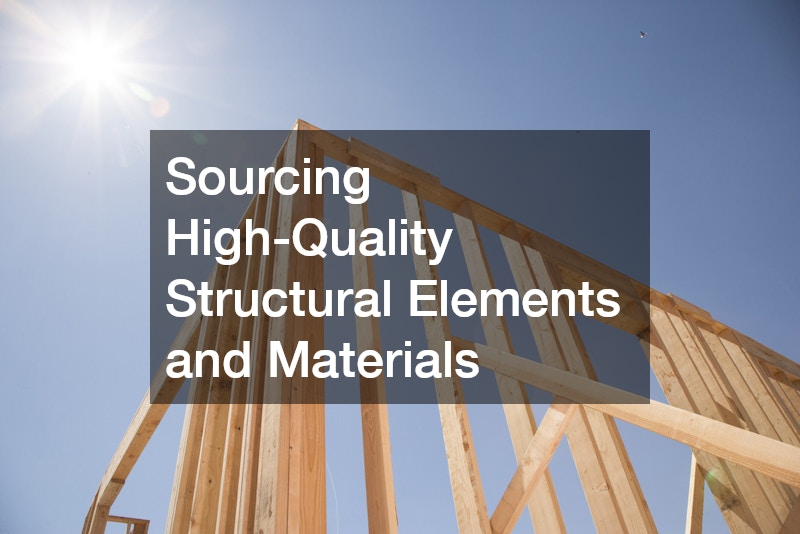
An elite construction crew is only as effective as the raw building components and materials they use during the construction process. A contractor could possess flawless technical alignment skills, but if they are utilizing low-grade timber, subpar fast-setting adhesives, or cheap, brittle fasteners, the entire structure will degrade prematurely under environmental stress. As a property owner, you have a vested interest in understanding exactly where your project manager sources your building components.
When reviewing your project’s line-item cost estimates, pay close attention to the structural material classifications listed by the Estimator. You must look for commercial-grade or structural-grade lumber, heavy-gauge non-corrosive fasteners, and advanced moisture-resistant underlayments. Furthermore, coordinate with your project manager to ensure that the delivery schedules for bulk supplies are perfectly aligned with the labor production schedule to prevent costly downtime on the job site.
Actionable Tips for Material Sourcing and Verification
-
Demand original manufacturer product warranties: Confirm that all major components, including engineered trusses, support beams, and flashing elements, carry extensive long-term manufacturer warranties that insulate you from premature structural material failures.
-
Differentiate builder-grade items from premium inventory: Take the time to analyze product material classifications before signing off on an allocation budget, choosing high-performance components over cheap builder-grade variations to guarantee the longevity of your build.
-
Form a relationship with an accredited logistics partner: Work closely with an established building material supplier that maintains an expansive local inventory of premium structural lumber, architectural steel components, and advanced water-management systems.
-
Streamline structural job site delivery logistics: Ensure your general manager sources all your primary construction supplies through localized distribution networks, preventing sudden logistical bottlenecks from stalling your active labor force during critical assembly phases.
Selecting Elite Weather Defenses and Overhead Teams
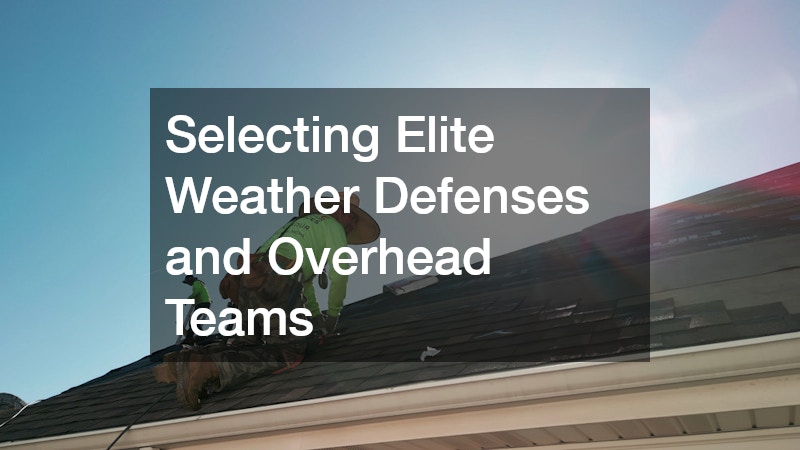
The roof of your home represents your property’s absolute first line of physical defense against the destructive forces of nature, including torrential rains, high wind shear, intense ultraviolet rays, and heavy winter snow loads. A single localized failure in your roofing system can allow water to seep deep into your attic spaces, rotting your roof deck, ruining your insulation, and destroying your interior ceilings. For this reason, selecting an elite overhead crew is one of the most consequential decisions you will make during your project.
Overhead work is inherently dangerous and technically demanding, requiring specialized fall-protection gear and rigorous safety training. When vetting a roofing organization, your primary objective should be to confirm its safety standards and its specific certification status with major material manufacturers. Elite roofing manufacturers only grant special tier certifications to companies that consistently demonstrate flawless installation mechanics and financial stability.
Actionable Tips for Overhead Contractor Vetting
-
Mandate specialized roofing workers’ compensation verification: Never allow any technician to step onto your roof deck without verifying that their employer carries active, roofing-specific workers’ compensation insurance to isolate your household from personal injury liability.
-
Enforce complete magnetic cleanup obligations: Confirm that your formal labor contract contains an explicit clause requiring the crew to execute a daily sweeping of your driveway, landscape beds, and grass using industrial magnetic rollers to clear away stray metal nails.
-
Partner with factory-certified roofing specialists: Align your home improvement goals with an accredited, manufacturer-certified local roofing company that holds specific premium installation credentials, ensuring your system qualifies for comprehensive extended warranties.
-
Demand absolute architectural waterproofing precision: Verify that your chosen installation technicians possess deep experience in flashing mechanics, executing millimeter-precise water-barrier seals during complex roof installations around chimney structures, skylights, and deep roof valleys.
Vetting Exterior Shielding and Perimeter Experts
While your roof protects your property from vertical elements, your exterior walls require high-performance cladding to shed horizontal moisture, block thermal transfer, and define your home’s visual architectural character. Siding installation is a highly technical discipline that requires an intricate understanding of physics and material science, as exterior panels must constantly adapt to dynamic environmental pressures without warping, cracking, or pulling away from the structural wall sheathing.
As temperatures fluctuate throughout the seasons, exterior materials experience considerable thermal expansion and contraction. If an inexperienced crew nails siding panels too tightly to the structural wood studs, the panels will inevitably buckle, split, and create micro-gaps that allow wind-driven rain to infiltrate your home’s framing. Your chosen perimeter specialists must understand these physical tolerances and utilize advanced house wraps to create a secondary weather barrier.
Actionable Tips for Siding Specialist Selection
-
Analyze expansion and contraction tolerance protocols: Confirm that your cladding technicians utilize specialized siding gauges and leave precise expansion gaps at all corner posts and window perimeters to accommodate natural material movement during seasonal climate shifts.
-
Verify secondary weather-barrier installations: Insist that your exterior crew installs a premium, breathable synthetic house wrap and self-adhering flashing tapes around all window and door rough openings before mounting the final exterior cladding.
-
Secure premium materials from authorized trade hubs: Source your home’s exterior protection profiles directly from established local siding suppliers who maintain a robust distribution pipeline of color-fast vinyl, durable composite wood, and high-performance fiber-cement options.
Hiring Precision Finishing Crews and Surface Detailers

The final aesthetic phase of any home improvement transformation involves preparing surfaces, sealing structural transitions, and applying beautiful, durable protective coatings. The finishing phase is what translates a raw structural build into a polished piece of architecture. Many homeowners mistakenly assume that painting is a simple, low-skill task that can be handed off to any cheap provider, only to watch their new finish peel, blister, and crack within a few short years.
In reality, high-quality finishing work is eighty percent preparation and twenty percent application. A professional finishing crew will spend hours pressure washing surfaces, scraping away old coatings, sanding imperfections, repairing wood grain defects, and running premium elastomeric caulking along every joint before they ever open a single can of paint. This meticulous preparation work is what guarantees that the final finish adheres flawlessly and resists weathering over time.
Actionable Tips for Finishing Crew Vetting
-
Inspect surface preparation and caulking strategies: Walk the job site with the crew leader and verify that their production plan allocates ample time for power washing, scraping, sanding, and priming surfaces, as proper substrate preparation dictates the true lifespan of the coating.
-
Mandate the utilization of high-solids chemical formulations: Ensure your finishing contract specifies the use of premium, high-solids acrylic coatings featuring superior UV resistance and exceptional flexibility, which prevents premature peeling under intense sun exposure.
-
Employ certified, reference-verified finish artisans: Entrust the final visual layer of your home renovation to highly rated, professional house painters who possess clean safety histories, extensive project portfolios, and stellar long-term customer satisfaction ratings.
Conclusion
Selecting the ideal crew for your residential project is an active journey of patience, objective analysis, and comprehensive background verification. In the modern construction ecosystem, there are absolutely no safe shortcuts when it comes to vetting specialized construction labor or sourcing structural components. The temporary energy you invest into checking licenses, reviewing insurance binders, analyzing material grades, and interviewing independent trade specialists serves as your ultimate insurance policy against home improvement failure.
By systematically organizing your contractor choices—from macro-level general builders to precision finishing specialists—and demanding transparent, certified material sourcing at every stage, you establish a powerful foundation for your home’s future. The dust will eventually clear, the machinery will depart your property, and you will be left with a beautiful, durable, and structurally flawless sanctuary. Partnering with elite trade professionals who view your home not just as an ordinary job site but as a critical piece of lasting family architecture ensures that your investment remains completely secure, beautiful, and structurally sound for decades to come.