How to Protect Your Home Against Severe Weather Hazards
Severe weather events have shifted from rare occurrences to predictable seasonal challenges for homeowners across the globe. From intense straight-line windstorms and tornadic gusts to torrential downpours and hail, extreme weather places continuous stress on residential structures. When high winds tear through neighborhoods or torrential rain saturates the landscape, a home’s exterior acts as the primary shield protecting everything and everyone inside. Waiting until a severe weather warning lights up your phone is often a recipe for costly emergency measures. True resilience comes from proactive structural defense, thorough routine maintenance, and a clear understanding of where your property is most vulnerable.
Building a storm-resistant home does not require rebuilding from the ground up. Instead, it involves systematically identifying weak points, fortifying existing structures, and managing surrounding environmental hazards. By addressing key vulnerabilities—such as your upper canopy, roof structure, drainage pathways, and nearby timber—you can prevent catastrophic loss before dark clouds assemble on the horizon. This comprehensive guide outlines practical, expert-backed strategies to fortify your home, safeguard your family, and navigate long-term property protection against the elements.
1. Audit and Fortify Your Primary Roof Structure
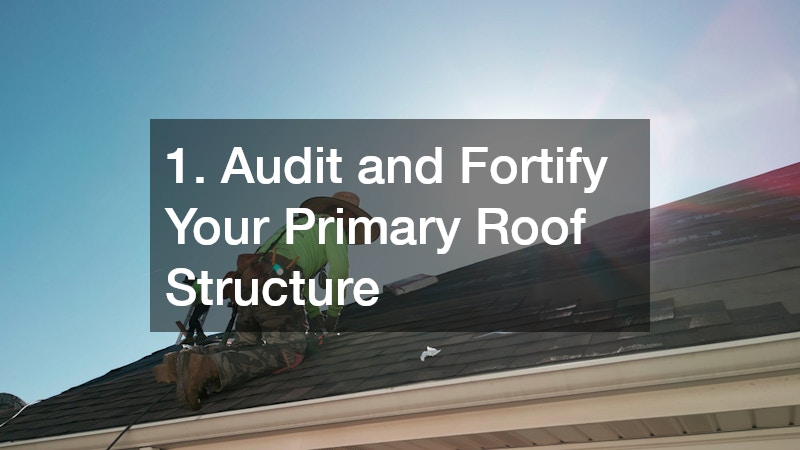
Conducting Bi-Annual Overhead Audits and Securing Wind-Vulnerable Edges
Your roof system is your property’s primary baseline defense against severe weather, bearing the initial impact of heavy rainfall, hail, and extreme wind forces. During high-wind events, wind blowing over a roof creates an upward pulling force similar to an airplane wing. If wind-driven uplift catches loose edges or unsealed material, it can peel back large sections, exposing the underlying deck to massive water intrusion.
To prevent wind uplift, conduct a thorough bi-annual visual audit of your roof from both the ground level using binoculars and inside your attic space. Look for uneven shingle lines, lifting along the perimeter eaves, or daylight penetrating through the structural decking.
Key areas to evaluate during your upper-level inspection include:
- Drip Edge Integrity: Ensure drip edges are securely fastened using properly spaced corrosion-resistant nails to prevent high winds from lifting the bottom layer of material.
- Decking Attachment: Inspect attic rafters to confirm roof decking is firmly secured. Look for loose nails or sagging plywood panels.
- Underlayment Defense: Ensure the moisture barrier beneath your top layer of shingles meets local wind-resistance standards to provide secondary protection if primary shingles blow off.
- Ridge Cap Security: Check the top ridge line to verify that ridge cap pieces are securely anchored, as cap loss opens direct paths for driving rain.
While visual inspections from the ground are a great starting point, complex or steep structures require a trained set of eyes. Hiring a certified roofing contractor to perform a formal structural audit ensures that hidden vulnerabilities—such as unsealed starter strips or deteriorating decking—are addressed long before severe weather strikes.
Furthermore, when upgrading or replacing components, select materials rated for extreme endurance. Investing in Class 4 impact-resistant shingles paired with high-wind installation standards ensures long-term longevity for your residential roofing, minimizing the chance of major structural failure during severe storms.
2. Prevent Water Infiltration and Interior Rot
Sealing Roof Flashing and Clearing High-Capacity Drainage Pathways
High winds can damage structural materials, but driving rain and standing water typically cause the most expensive structural damage inside the home. Water intrusion usually occurs when water pathways become blocked or when protective barriers around roof penetrations fail under continuous pressure.
Roof penetrations—such as chimneys, plumbing stacks, skylights, and attic vents—are natural weak points. Flashing, the thin metal material installed around these features, can pull away from masonry, corrode over time, or suffer from failed sealant bonds. During a sustained downpour, driving rain pushes beneath compromised flashing, flowing silently down interior wall studs and pooling on ceiling drywall.
Check your attic space regularly for signs of compromised flashing or hidden moisture:
- Look for dark water stains or mold growth on the underside of the roof sheathing.
- Check insulation around chimneys and vent pipes for dampness or compression caused by dripping water.
- Inspect the perimeter soffits for signs of rot or water accumulation.
If you spot damp insulation or persistent staining on upper ceilings, you may be dealing with an active roof leak that requires swift intervention before structural rot takes hold in the ceiling joists.
Equally critical to interior protection is your home’s exterior drainage network. Gutters and downspouts are designed to channel thousands of gallons of water away from your foundation during torrential storms. When gutters become clogged with leaves, twigs, and granules, water backs up underneath the lower edges of your roof deck, rotting the fascia boards and seeping into wall cavities.
Clean gutter troughs at least twice a year and install oversized downspouts to handle sudden heavy rainfall. For localized damage or failing seals along valley troughs, engaging a certified roof repair service ensures that flashing repairs, sealant applications, and structural fixes are completed to professional standards.
3. Maintain Surrounding Foliage to Prevent Impact Damage
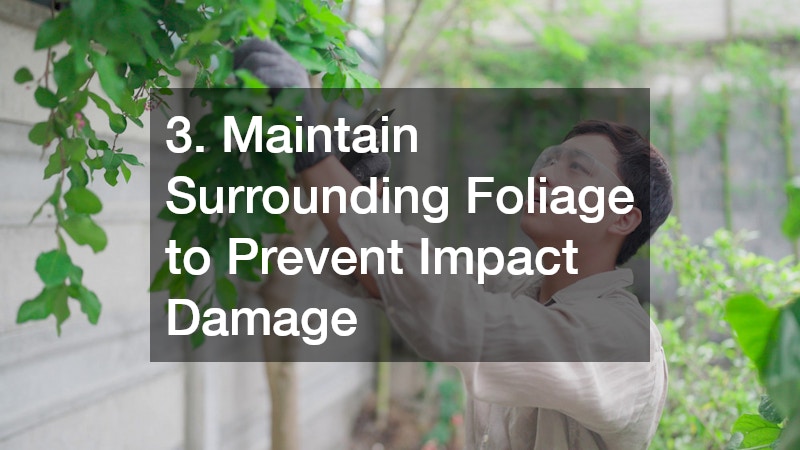
Pruning Canopy Overhangs and Eliminating Overburdened Branches
The natural canopy surrounding your property adds curb appeal and shade, but unmanaged trees pose a significant threat during severe weather events. Heavy rainfall rapidly saturates the surrounding soil, loosening root holds, while intense gusts act as massive levers against top-heavy tree canopies. When major limbs break loose or entire trees fall, they can puncture structural decking, smash window openings, and tear down power lines.
Preventing timber damage begins with strategic tree management. Inspect the mature trees surrounding your property every spring and fall, paying close attention to branches extending over your home, driveway, or utility drop lines.
Essential tree maintenance practices include:
- Maintaining Vertical Clearance: Prune all branches within ten feet of your roofline to prevent constant friction against materials during windy conditions and to deny access to climbing pests.
- Thinning Dense Canopies: Selectively trim inner branches within dense tree canopies to allow wind to pass through smoothly, reducing the overall sail effect during high-wind storms.
- Removing Deadwood: Cut back dead, diseased, or cracked branches that lack the structural flexibility to withstand high-velocity gusts.
- Elevating Low-Hanging Limbs: Raise lower tree branches near driveways and walkways to keep emergency access routes clear during severe weather.
Consistently scheduling professional tree services helps you evaluate the structural health of mature hardwoods and catch interior hollows or fungal infections before they lead to limb failure.
Because trimming large, heavy limbs near structures involves significant safety risks, rely on specialized tree trimming services equipped with proper rigging equipment, bucket trucks, and aerial safety gear. Proper pruning preserves the health of your landscape while building a strong perimeter defense around your home.
4. Mitigate High-Risk Arbor Hazards Near the Perimeter
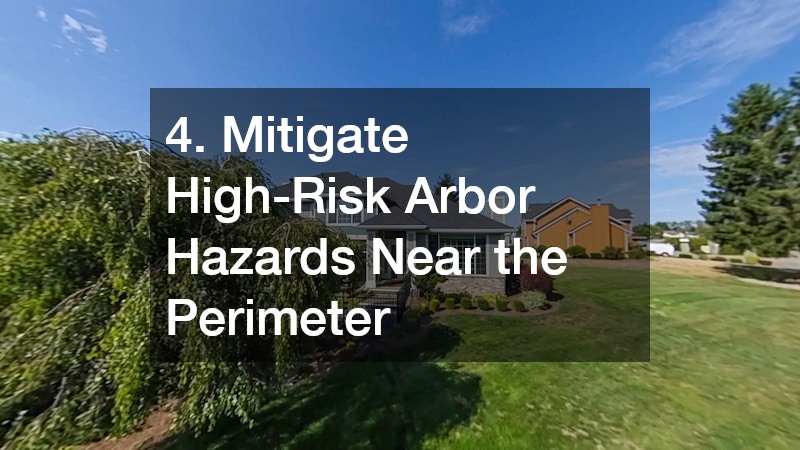
Identifying Structurally Compromised Trees and Safely Removing High-Risk Timber
While routine pruning keeps healthy trees manageable, structurally compromised or dead trees require immediate, aggressive intervention. A dead or severely decayed tree within falling distance of your living space is a major hazard during severe weather. When saturated soil conditions coincide with gale-force winds, weakened root systems fail without warning, bringing down tons of wood onto roofs, vehicles, or adjacent properties.
Learning to identify early warning signs of tree instability can save your home from devastating impact damage. Inspect the bases and main trunks of all large trees within 100 feet of your house.
Look for key indicators of structural decay, including:
- Deep vertical cracks, bark sloughing off, or large hollow cavities along the main trunk.
- Fungal growth, such as shelf mushrooms or conks, is growing around the root flare or lower trunk.
- A sudden, noticeable lean in a mature tree, especially if accompanied by cracked or heaving soil at the base opposite the lean.
- Excessive dead branches concentrated on one side of the tree indicate localized root death or vascular disease.
When you suspect a major tree is dying or structurally unsound, contact a fully insured local tree service company to perform a professional hazard assessment. Trained arborists use specialized tools to check internal trunk density and evaluate root stability.
If a tree is deemed unstable, attempt no DIY cutting, especially near power lines or structures. Dropping a compromised tree requires precise rigging, sectioning, and heavy machinery. Entrusting the job to a certified tree removal company ensures that hazardous, large-scale timber is dismantled safely and efficiently, eliminating a major threat to your home before storm season arrives.
5. Reinforce Ground-Level Openings and Exterior Barriers
Shielding Windows, Doors, and Foundation Footings From Impact and Seepage
While overhead structures and surrounding timber command significant attention during storm preparation, ground-level openings represent some of the most critical pressure points in any home envelope. During high-wind events, if a window breaks or a door gives way, wind forces rapidly pressurize the home interior. This internal pressure pushes upward against the ceiling deck while outdoor winds pull from above, exponentially increasing the risk of roof detachment.
Protecting these lower-level vulnerabilities requires combining physical impact resistance with precise ground drainage controls. Impact-rated storm shutters, reinforced garage doors, and sealed entryways serve as vital line-of-defense barriers.
Key steps to secure your ground-level envelope include:
- Bracing Overhead Garage Doors: Install vertical support girts or upgrade to wind-load-rated garage doors, as wide-span garage openings are statistically the most frequent structural failure point in gale-force winds.
- Upgrading Window Defenses: Mount permanent tracks for hurricane shutters or keep pre-cut marine-grade plywood panels labeled for quick installation over glass panes before severe weather.
- Extending Downspout Footings: Add rigid extensions to downspouts so discharge empties at least six feet away from foundation walls, driving surface runoff away from basement footings.
- Regrading Soil Slopes: Ensure ground levels slope downward at a minimum five-percent grade away from your foundation perimeter to prevent water pooling against lower wall joints.
Complementing these exterior barriers, test backup sump pumps and clear window well drains so rising ground waters cannot seep inside during extended precipitation.
6. Implement Major Upgrades and Plan Post-Storm Recovery
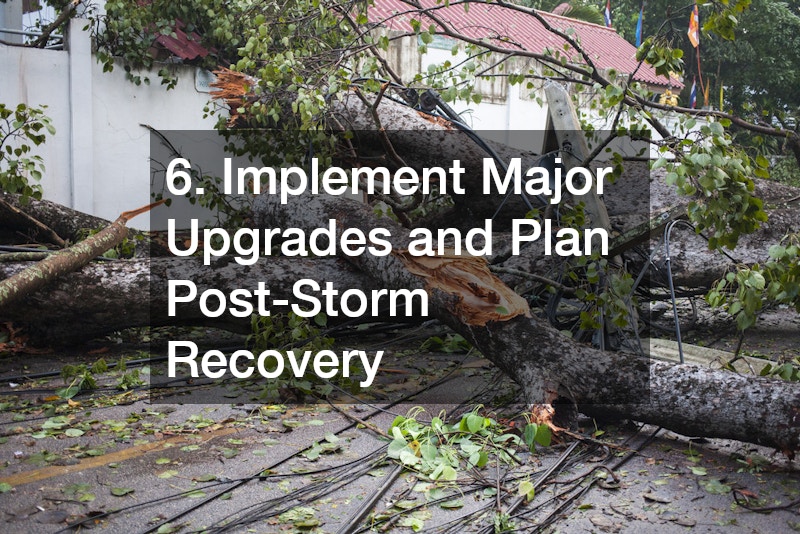
Upgrading Structural Defenses and Establishing Emergency Post-Storm Protocols
Even the most meticulous maintenance program cannot prevent damage if your home’s protective materials are reaching the end of their functional lifespan. Aging materials become brittle, losing their elasticity and structural strength. When severe weather hits an older roof, shingles can fracture easily under hail impact, and wind can tear away entire sections of deteriorated material.
When ongoing maintenance is no longer enough to protect your interior spaces, planning a complete roofing replacement offers an opportunity to upgrade your home’s defenses. Modern installations often incorporate self-adhering polymer-modified ice and water shields across the entire roof deck, interlocking shingles designed for 130 mph wind resistance, and reinforced drip edges that lock perimeter materials in place.
Alongside physical structural upgrades, create a clear, step-by-step emergency recovery plan to limit property damage if severe weather strikes.
Your post-storm recovery strategy should include:
- Safety First: Wait for all severe weather warnings to pass before stepping outside, and watch out for downed power lines, sharp debris, or standing water.
- Documenting Damage: Photograph all exterior and interior damage from multiple angles before moving debris or making temporary repairs, as detailed documentation is vital for insurance claims.
- Deploying Temporary Defense: Store heavy-duty tarps, wood furring strips, and roofing nails in an easily accessible location so you can temporarily cover exposed areas and prevent water damage.
- Securing Professional Help: Work with verified local contractors who specialize in emergency response to ensure structural repairs are handled properly.
In the aftermath of a major disaster, rapid response is essential to stop active leaks, prevent dangerous mold growth, and stabilize damaged building envelopes. Partnering with certified storm damage roof restoration services ensures you have access to emergency tarping, temporary structural support, industrial moisture extraction, and expert support when navigating complex insurance claims.
Conclusion
Protecting your home against severe weather hazards is an ongoing process that demands proactive care, regular visual inspections, and timely maintenance. By strengthening your roof, optimizing drainage, managing canopy growth, and removing high-risk trees, you create a multi-layered defense system that protects your property year-round.
Taking preventive action today is far more manageable and affordable than managing major emergency repairs after a disaster. Set aside time this season to evaluate your home’s exterior defenses, consult with certified local specialists when necessary, and put an emergency action plan in place. With the right preparations, you can face changing weather patterns with confidence, knowing your home and family are well-protected.