Secure Your Home and Family: Common Vulnerabilities and How to Fix Them
Key Takeaways
- Home safety extends beyond preventing intrusions. Protecting a property also involves addressing structural, electrical, fire, and weather-related risks that can threaten occupants and cause costly damage.
- Doors, windows, and garages should be regularly evaluated for weaknesses. Reinforcing entry points with stronger locks, updated hardware, and modern security features can improve overall protection.
- Routine maintenance helps prevent major problems. Regular inspections of roofing, drainage systems, electrical components, and structural elements can identify issues before they escalate.
- Outdoor lighting and landscaping play an important role in safety. Well-lit exteriors and properly maintained vegetation improve visibility, reduce hazards, and eliminate potential hiding spots.
- Preparation is essential for handling emergencies and severe weather. Taking preventive measures and maintaining emergency plans can minimize damage and improve response times during unexpected events.
- Modern technology can strengthen property protection. Smart security devices, cameras, sensors, and remote monitoring tools provide greater awareness and faster detection of potential issues.
- A proactive approach creates a safer living environment. Consistent upkeep, strategic upgrades, and emergency preparedness work together to protect both your family and your long-term investment.
Your home should be more than just a place to live—it should be a safe haven where your family feels protected, comfortable, and secure. However, many homeowners focus primarily on aesthetics and interior upgrades while overlooking vulnerabilities that could compromise safety, property value, and peace of mind. From weak entry points and outdated electrical systems to neglected roofing and poor outdoor lighting, even small issues can create significant risks over time.
Protecting your home requires a proactive approach. Rather than waiting for problems to arise, homeowners can identify common vulnerabilities and address them before they lead to costly repairs, accidents, or security breaches. By understanding the areas of your property that need attention, you can make informed decisions that strengthen your home’s defenses and create a safer environment for everyone who lives there.
This guide explores some of the most common vulnerabilities found in residential properties and provides practical solutions to help secure your home and family. Whether you’re a new homeowner or have lived in your property for years, these insights can help you maintain a safer, more resilient home for the future.
Why is Home Security About More Than Preventing Break-Ins?
When people think about home security, they often picture alarm systems, locks, and surveillance cameras. While these measures are important, true home security extends far beyond protecting against intruders. A secure home is one that safeguards occupants from weather-related damage, electrical hazards, structural issues, fire risks, and other threats that can impact safety and well-being.
Many vulnerabilities develop gradually and go unnoticed until a major problem occurs. A leaking roof can weaken structural components, faulty wiring can increase fire risks, and poor drainage can lead to foundation damage. Addressing these concerns early not only improves safety but can also save homeowners significant money in repair costs.
A comprehensive approach to home security includes:
- Structural integrity and maintenance
- Proper lighting and visibility
- Secure entry points
- Fire prevention measures
- Electrical safety
- Weather preparedness
- Smart technology integration
- Landscape management
- Emergency planning
By viewing home security holistically, homeowners can better protect their families and investments.
Are Your Doors and Windows Truly Secure?
Doors and windows are among the most common entry points into a home, making them a critical focus for security improvements. Unfortunately, many homeowners underestimate how vulnerable these areas can be.
Standard locks may provide a basic level of protection, but aging hardware, weak door frames, and single-pane windows can leave your property exposed. Even minor wear and tear can reduce effectiveness over time.
To strengthen doors and windows:
- Install high-quality deadbolt locks on exterior doors.
Deadbolts provide significantly greater resistance against forced entry than standard locksets. - Reinforce door frames with security plates.
Strong frames make it more difficult for intruders to kick in doors. - Upgrade to impact-resistant windows.
These windows offer improved protection against both intruders and severe weather. - Consider window security films.
Security films help hold shattered glass together and slow unauthorized entry. - Inspect weatherstripping and seals.
Proper sealing improves energy efficiency while maintaining structural integrity.
Regular inspections can help identify weaknesses before they become serious security concerns.
Could Poor Outdoor Lighting Be Putting Your Family at Risk?
Outdoor lighting serves both practical and security purposes. Dark pathways, hidden corners, and poorly illuminated entrances can increase the likelihood of accidents while also creating opportunities for unwanted activity around your property.
A well-designed lighting plan improves visibility and discourages potential intruders by reducing hiding spots.
Effective lighting solutions include:
- Motion-activated floodlights
- Pathway lighting
- Porch and entryway lighting
- Garage security lights
- Landscape accent lighting
Motion sensors are especially effective because they immediately draw attention to movement around the property. They also provide homeowners with an added sense of awareness during nighttime hours.
When evaluating outdoor lighting, walk around your property after dark to identify areas that may require additional illumination.
Is Your Roof Protecting Your Home as Effectively as It Should?
Your roof is one of the most important protective barriers your home has. Yet because it is often out of sight, roofing issues frequently go unnoticed until significant damage occurs.
Missing shingles, deteriorated flashing, clogged gutters, and hidden leaks can compromise your home’s structural integrity and expose occupants to potential hazards.
Warning signs of roofing problems include:
- Water stains on ceilings
- Sagging roof sections
- Loose or missing shingles
- Excessive granule loss
- Mold or mildew growth in attic spaces
Routine roof inspections help identify small issues before they become expensive repairs. Professional assessments are particularly valuable after severe weather events.
Maintaining your roof supports long-term durability and contributes significantly to overall home security.
What Hidden Electrical Hazards Might Be Lurking in Your Home?
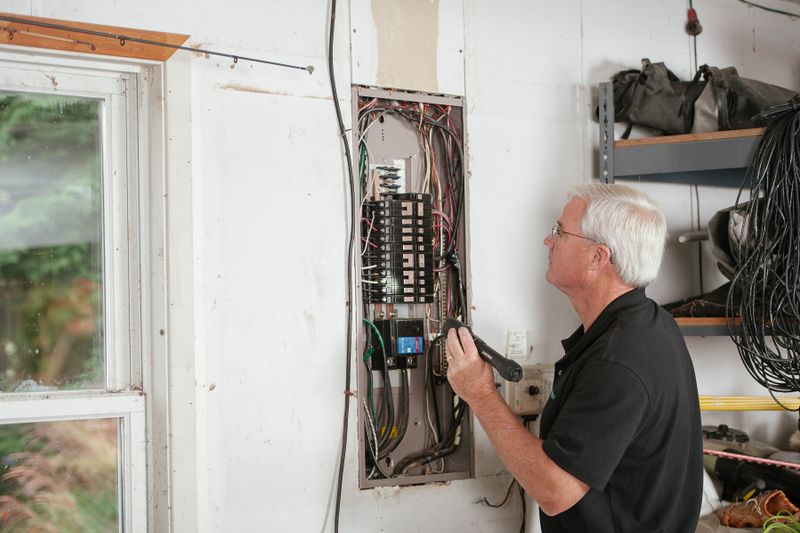
Electrical systems are often overlooked until a problem arises. However, faulty wiring and outdated components represent some of the most serious safety risks homeowners face.
Electrical failures can lead to:
- House fires
- Appliance damage
- Power outages
- Electrical shocks
Common warning signs include:
- Frequently tripped breakers
- Flickering lights
- Warm outlets
- Burning odors
- Buzzing sounds from electrical panels
If your home is older, consider having a licensed electrician inspect the system for code compliance and potential hazards.
Safety upgrades may include:
- Replacing outdated wiring
- Installing GFCI outlets
- Upgrading circuit breakers
- Adding surge protection
- Modernizing electrical panels
Proactive maintenance helps reduce risks while improving system reliability.
How Can Landscaping Affect Home Security?
Landscaping plays a surprisingly important role in home safety and security. Overgrown shrubs, dense vegetation, and poorly maintained trees can create hidden areas that reduce visibility around your property.
At the same time, neglected landscaping can increase storm damage risks and contribute to drainage problems.
To improve safety:
- Trim bushes near windows
- Maintain clear sightlines around entry points
- Remove dead tree limbs
- Regularly inspect mature trees
- Keep pathways free of obstructions
Strategic landscaping can enhance curb appeal while supporting overall property security.
Well-maintained outdoor spaces also improve visibility for neighbors and security cameras, creating an additional layer of protection.
Are You Prepared for Severe Weather Events?
Weather-related threats can affect homes in virtually every region. High winds, heavy rain, flooding, and extreme temperatures all have the potential to cause significant damage.
Preparation begins long before a storm arrives.
Important preventive measures include:
- Inspecting roofing systems
- Cleaning gutters and downspouts
- Securing outdoor furniture
- Reinforcing vulnerable structures
- Reviewing insurance coverage
- Maintaining emergency supplies
Homeowners who plan ahead often experience less damage and a faster recovery process following severe weather.
Proper preparation also contributes to a more successful storm recovery by reducing the extent of damage that occurs during the event.
Could Your Garage Be a Security Weak Point?
Garages are frequently overlooked when evaluating home security. Because they often contain valuable equipment, tools, and vehicles, garages can be attractive targets for theft.
Common vulnerabilities include:
- Outdated garage door openers
- Weak side-door locks
- Unsecured windows
- Lack of lighting
To improve security:
- Upgrade garage door technology
- Install smart openers
- Reinforce access doors
- Use frosted window coverings
- Add motion-sensor lighting
Regularly checking garage security features can help prevent unauthorized access and improve overall household safety.
How Important are Smoke and Carbon Monoxide Detectors?
Fire and carbon monoxide represent life-threatening risks that can occur without warning. Early detection devices are among the simplest and most effective safety investments homeowners can make.
Best practices include:
- Installing detectors on every level
- Placing alarms near sleeping areas
- Testing units monthly
- Replacing batteries regularly
- Following manufacturer replacement schedules
Carbon monoxide detectors are especially important in homes with:
- Gas appliances
- Fireplaces
- Attached garages
- Fuel-burning heating systems
These devices provide critical warning time that can save lives during emergencies.
Is Your Home’s Drainage System Working Properly?
Water is one of the most destructive forces a home can face. Poor drainage can contribute to foundation damage, basement flooding, mold growth, and landscape erosion.
Signs of drainage issues include:
- Standing water after rain
- Basement moisture
- Soil erosion
- Cracks in foundations
- Overflowing gutters
Preventive measures include:
- Maintaining gutters and downspouts
- Installing proper grading
- Using drainage systems where needed
- Addressing pooling water promptly
Managing water effectively helps preserve both structural integrity and indoor safety.
How Can Smart Technology Improve Home Protection?
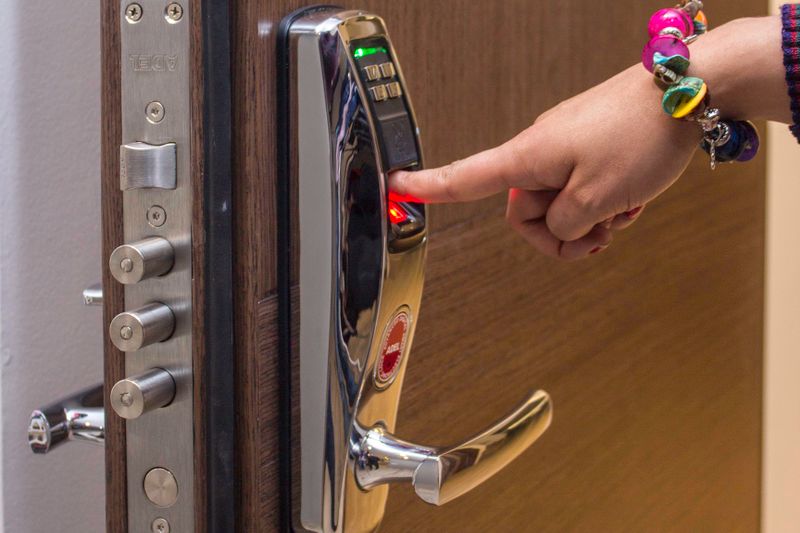
Technology has transformed home security in recent years. Smart systems allow homeowners to monitor and manage many aspects of their property from virtually anywhere.
Popular smart security features include:
- Video doorbells
- Security cameras
- Smart locks
- Motion sensors
- Leak detectors
- Smoke alarm integrations
Benefits of smart technology include:
- Real-time alerts
- Remote monitoring
- Increased awareness
- Faster emergency response
- Enhanced convenience
When integrated properly, these tools can significantly strengthen your home’s overall security strategy.
Are Structural Issues Compromising Your Home’s Safety?
Structural problems often develop gradually, making them difficult to detect without regular inspections.
Potential warning signs include:
- Cracks in walls
- Uneven floors
- Sticking doors
- Sagging ceilings
- Foundation movement
Structural concerns should never be ignored. Even minor issues can worsen over time and affect both safety and property value.
Professional evaluations help determine whether repairs are necessary and prevent further deterioration.
Addressing structural concerns promptly is an important part of maintaining a secure home environment.
Can Fire Prevention Measures Reduce Household Risks?
Fire prevention involves more than installing smoke detectors. Homeowners should also evaluate daily habits, appliance maintenance, and emergency preparedness.
Effective fire prevention strategies include:
- Keeping fire extinguishers accessible
- Avoiding overloaded outlets
- Maintaining heating equipment
- Practicing safe cooking habits
- Creating family evacuation plans
Families should periodically review emergency procedures so everyone understands what to do if a fire occurs.
Preparedness can significantly reduce injuries and property loss during emergencies.
How Do Home Improvements Contribute to Long-Term Safety?
Many renovation projects improve more than appearance—they also enhance security and resilience.
Examples include:
- Window replacements
- Roof upgrades
- Foundation repairs
- Electrical modernization
- Exterior lighting enhancements
- Smart security installations
While some homeowners focus primarily on aesthetics, combining safety-focused projects with luxury home improvements can create a property that is both beautiful and highly functional.
The best upgrades often deliver benefits in multiple areas, including comfort, efficiency, and protection.
What Emergency Plans Should Every Family Have?
Even the safest homes can face unexpected emergencies. Having a plan in place helps families respond quickly and effectively when situations arise.
Essential emergency planning components include:
- Emergency contact lists
- Evacuation routes
- Meeting locations
- First-aid supplies
- Emergency food and water
- Communication procedures
Every family member should understand the plan and know their responsibilities during an emergency.
Practicing these procedures periodically can improve readiness and confidence during stressful situations.
Taking a Proactive Approach to Home Safety
Creating a secure home requires ongoing attention rather than a one-time effort. By regularly inspecting key systems, maintaining structural components, upgrading outdated features, and preparing for emergencies, homeowners can significantly reduce risks and improve overall safety.
Every property has unique vulnerabilities, but most security challenges can be addressed through proactive maintenance and thoughtful planning. From strengthening doors and windows to improving drainage, lighting, and emergency preparedness, each improvement contributes to a safer environment for your family.
Investing in home security is ultimately an investment in peace of mind. The more prepared and proactive you are, the better positioned you’ll be to protect your loved ones, preserve your property, and enjoy the comfort and confidence that come with a well-secured home.